Black Walnut Wood: Complete Guide for Slab Buyers
Walnut Subtypes
The standard — rich color, abundant supply from the eastern U.S.
Widely planted outside its native range — the Willamette Valley, Portland metro, and Puget Sound lowlands all have significant yard tree populations from early settlement plantings. PNW slab mills regularly process local walnut from urban removals, and western Oregon's mild climate and deep valley soils produce fast-growing trees with wide, dramatic grain.
Also found as planted trees along Colorado's Front Range, Utah's Wasatch Front, and Idaho's Boise Valley.
California native with dramatic figure and marbled grain. Often pricier.
Also planted in northern California foothill communities and scattered urban areas beyond its strict native range.
Light-colored walnut relative, increasingly scarce due to butternut canker disease.
Butternut canker has devastated populations since the 1960s — most butternut slabs today are salvage from dead or dying trees in the upper Midwest and Appalachians. Supply is declining and premiums are rising.
Lighter color, used mainly in veneer and turning blanks.
Grafted English walnut on black walnut rootstock produces the prized 'grafted English' or 'marbled' walnut slabs from California orchard removals.
Where Walnut Grows
Beyond its native range, black walnut has been planted extensively as a yard and street tree throughout the Pacific Northwest, the intermountain West, and the Great Plains — mature urban specimens routinely yield slab-grade logs when removed.
Range data from USGS (E.L. Little Jr., 1971-1981). Shows approximate historical native range. Actual current distribution may differ.
County presence data from USDA PLANTS Database. Shows counties where species has been documented, including planted and naturalized populations.
Why Walnut Is the Most Popular Slab Wood
Black walnut is the single most sought-after species for wood slab furniture in North America. Its deep chocolate-brown heartwood, workability, and natural beauty make it the go-to choice for live edge dining tables, mantels, and statement pieces.
On CraftMilled, walnut consistently accounts for more listings than any other species — and for good reason.
Identifying Quality Walnut Slabs
Heartwood vs. Sapwood
Walnut's dark heartwood is the primary attraction. Most slab buyers prefer pieces that are predominantly heartwood, though the contrast between dark heart and light sapwood can create striking visual effects — especially in live edge pieces.
What to look for:
- Even, consistent color throughout the heartwood
- Minimal sapwood unless you want the contrast
- No excessive staining or discoloration from improper drying
Grain and Figure
The best walnut slabs show character:
- Crotch figure — dramatic patterns where branches meet the trunk
- Curly or fiddleback — rippling light patterns across the grain
- Burl — rare, swirling inclusions that command premium prices
Plain-grained walnut is beautiful on its own and more affordable.
Drying and Moisture Content
Always ask about moisture content. For indoor furniture, walnut should be kiln-dried to 6–8% moisture content. Air-dried walnut works for outdoor projects but should still be below 12%.
Red flags:
- Seller can't provide moisture readings
- Visible checks (cracks) from drying too fast
- Warping or cupping across the width
Walnut Slab Sizes and Pricing
Walnut slabs range widely in size and price:
| Width | Typical Price per BF | Notes |
|---|---|---|
| 12–18" | $8–$15 | Shelf and accent pieces |
| 18–24" | $12–$20 | Small tables, desks |
| 24–36" | $15–$25 | Dining tables |
| 36"+ | $20–$30+ | Statement pieces, conference tables |
Figured walnut (curly, crotch, burl) commands a 50–200% premium over plain-grained stock.
Best Uses for Walnut Slabs
Dining Tables
Walnut's hardness (1,010 lbf Janka) is ideal for tables — hard enough to resist dents but soft enough to work easily. For reference, walnut is comparable to teak and North American ash — solidly mid-range among domestic hardwoods. It's noticeably softer than oak or maple but nearly three times harder than cedar or redwood. The warm color pairs well with both modern and rustic interiors.
Live Edge Mantels
The natural bark edge of walnut is tight and well-defined, making it one of the best species for mantels that retain their live edge long-term.
River Tables
Walnut's dark color creates dramatic contrast with colored epoxy. The porous end grain absorbs finish evenly, reducing blotching issues common with other species.
How to Buy Walnut Slabs
- Know your dimensions — measure the space first, then add 2–4" for trimming
- Ask about drying method — kiln-dried is essential for indoor furniture
- Request moisture readings — 6–8% for indoor use
- Check both faces — some defects only show on one side
- Factor in waste — bark removal, flattening, and edge cleanup reduce usable width
Walnut Subtypes
Black Walnut (Juglans nigra)
The industry standard. Grows throughout the eastern United States, from Texas to Minnesota. Most slabs on the market are black walnut.
Claro Walnut (Juglans hindsii)
Native to California. Known for extraordinary figure — marbled, crotch, and burl patterns are more common in claro than black walnut. Expect to pay 2–3x more for premium claro slabs.
English Walnut (Juglans regia)
Lighter in color than black walnut, with a more uniform grain. Less common as slabs but valued for turning blanks and high-end veneer.
Walnut Slabs for Sale

Shop/Milling Equipment/Gunsmith Sale
Retired gunsmith shop sale, several large slabs of black walnut, barrels, stocks, milling equipment,...
Solid Claro Walnut Slab for DIY Project
An extremely nice piece of claro walnut. Approx. 48"x 8" x 2 7/8" and weighs 26 lbs. It will be perf...
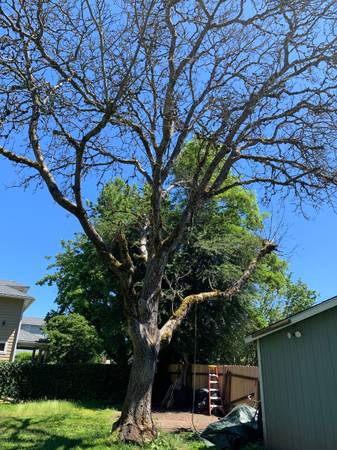
English walnut tree
Old English walnut tree, trunk, slabs, roots, logs, large branches, for sale make offer
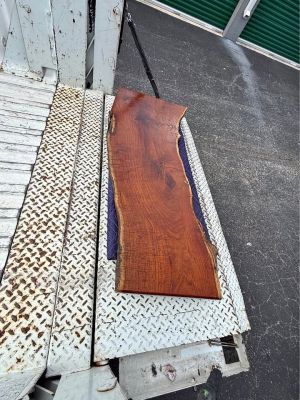
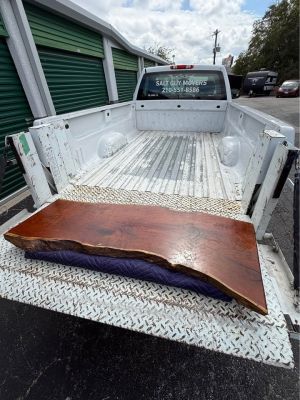
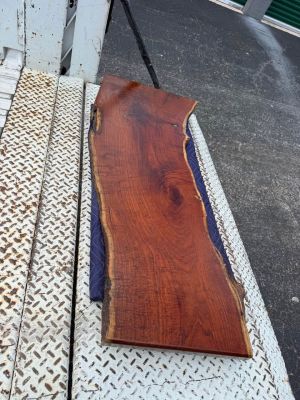
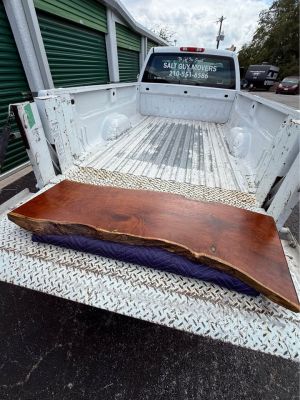
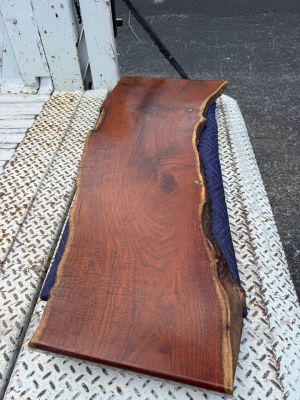
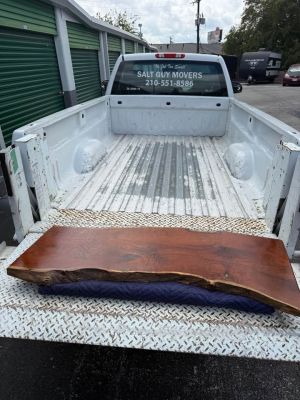
Black Walnut live-edge wood slab.
Black Walnut live-edge wood slab. - Perfect for Coffee Table, Bench, or Shelf, or Sofa Table. . Dime...
Assorted Rough Cut Hardwood Lumber
Mixed hardwood lumber boards are rough-sawn and air-dried. This collection includes various species...
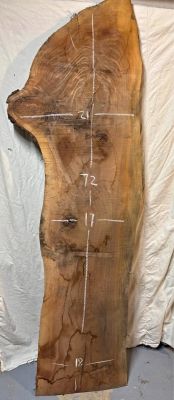
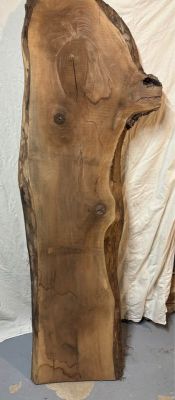
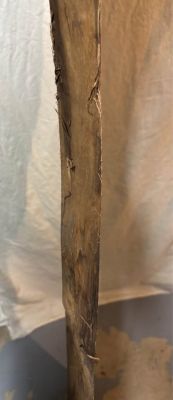
Live Edge Walnut Slab 72" x 18"x 1 3/4”
Natural live edge wood slab is walnut length of 72 inches and width ranging from 17 to 21 inches. Ap...
Black walnut wood
Black walnut logs. Ranging from 4" to 20" diameter. 4 to 6ish ft long. If nobody buys it I'll gladly...
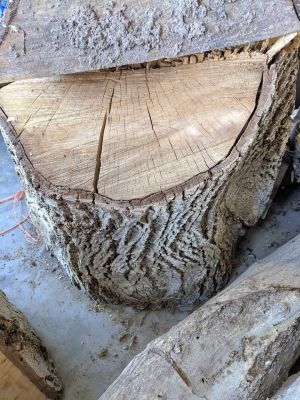
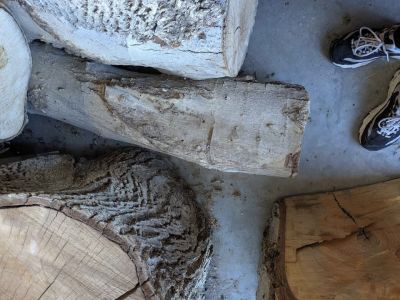
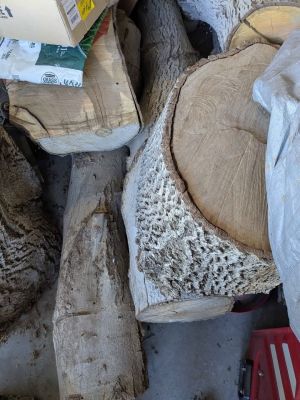
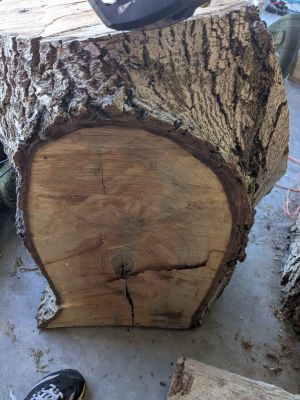
Walnut
I have a bunch of high quality walnut logs from a walnut tree. It has been sitting garage, and is dr...
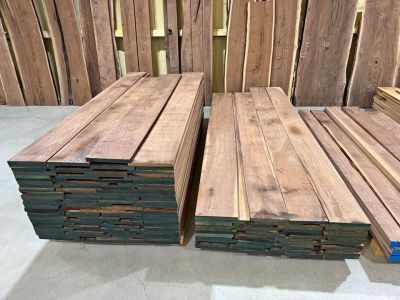
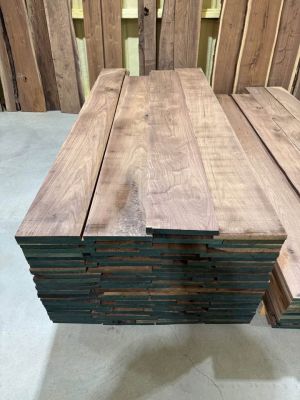
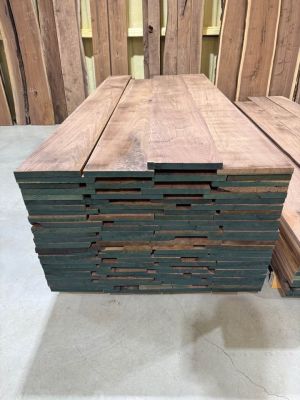
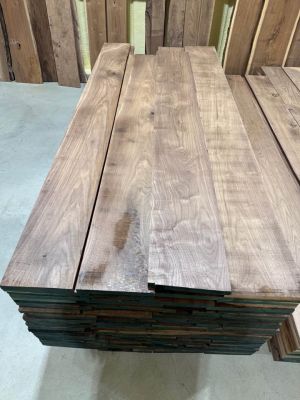
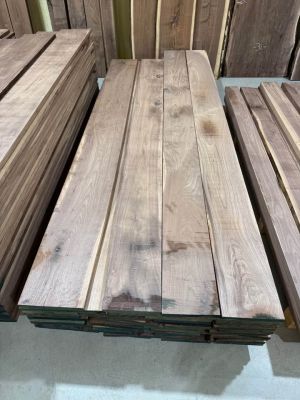
10”+ Wide 4/4 FAS Walnut Lumber
Beautiful new load 4/4 (1” thick) high grade wide walnut lumber in stock! All material is width sort...
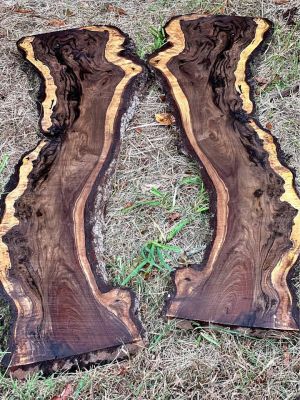
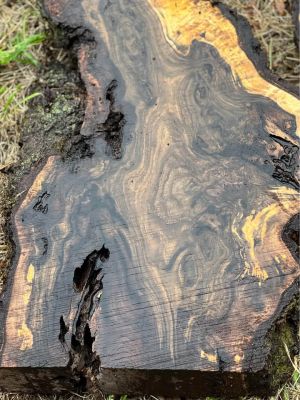
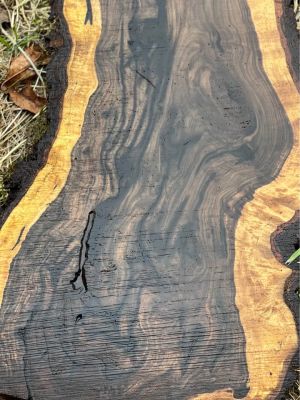
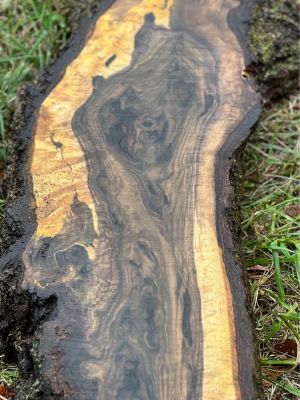
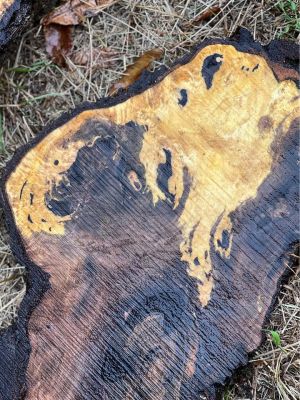
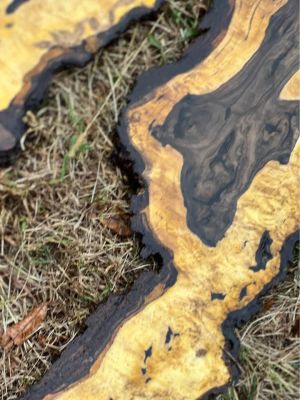
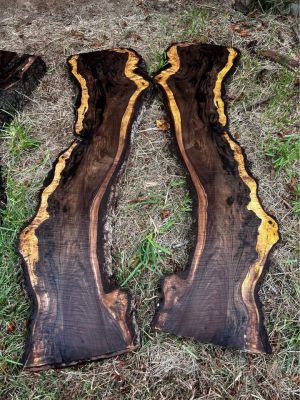
Bookmatched extremely figured walnut slabs
Beautiful bookmatched walnut live edge wood slabs with a striking contrast between dark, figured hea...
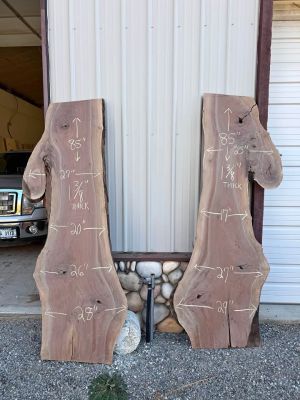
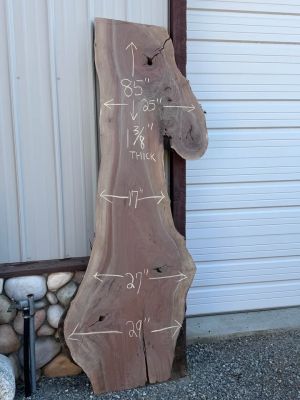
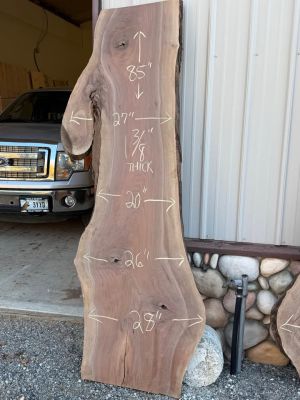
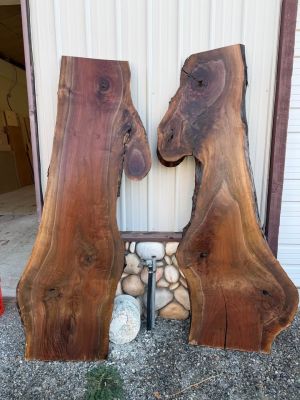

Live Edge Walnut Wood Slabs - Pair
Natural live edge black walnut slabs with dark brown heartwood and light tan sapwood. These slabs ha...
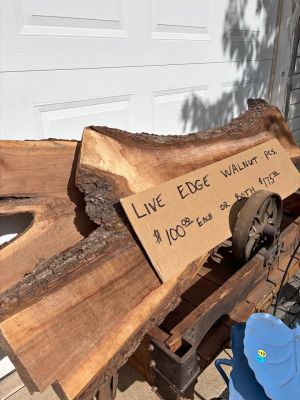
Live edge walnut planks
Live edge walnut planks. 5’6”x 12”x2”. $100 each or both for $175.
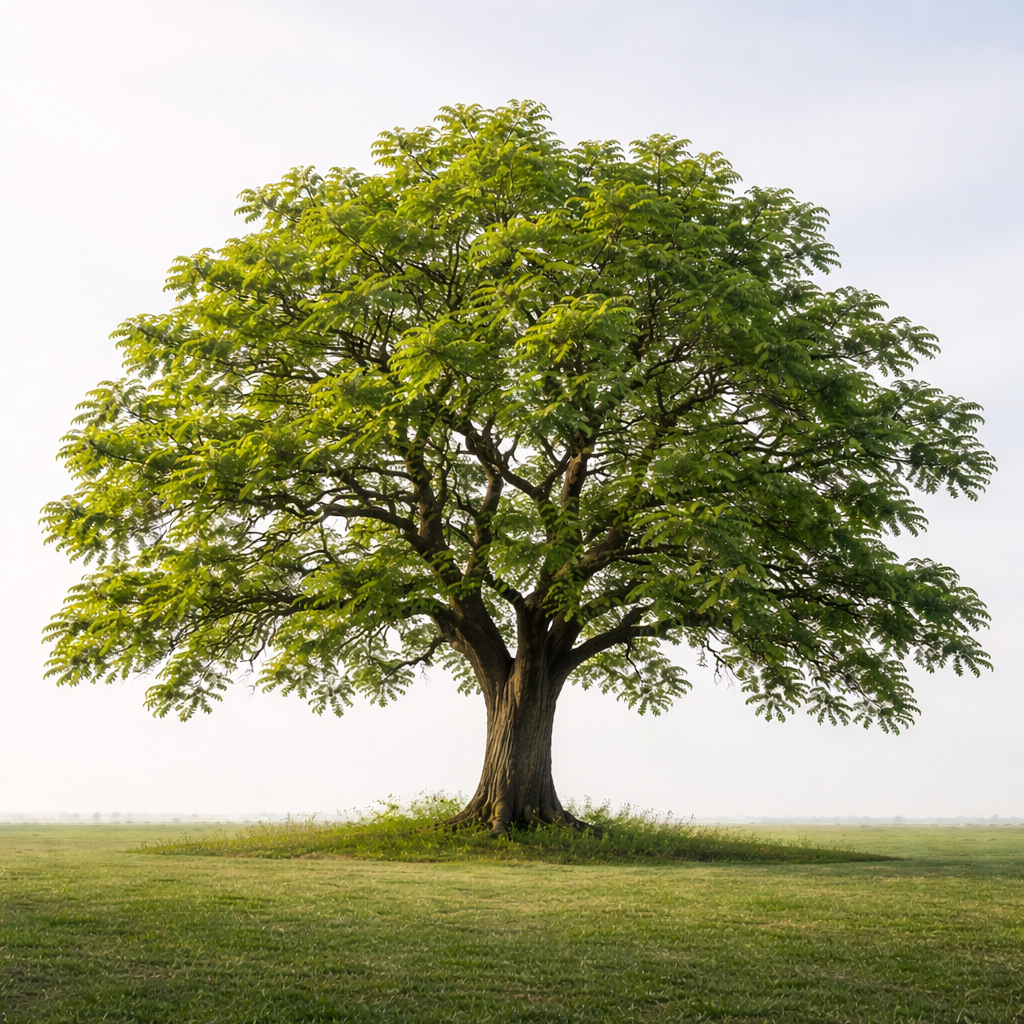 Juglans nigra