Redwood Slabs: Guide to California Redwood & Old-Growth Salvage
Where Redwood Grows
Inland, the species is absent — it requires the mild, humid conditions that only the coastal fog zone provides. However, coast redwood has been planted extensively as an ornamental and landscape tree far outside its native fog belt — throughout coastal and inland California, the Willamette Valley and western Oregon, western Washington's Puget Sound area, and even parts of the southeastern U.S. where humidity substitutes for fog.
In the Bay Area, Sacramento, and Portland metro areas, landscape redwood removals occasionally produce slab-grade logs from trees that have reached 2-3 foot diameters in 80-100 years. This urban supply is tiny compared to the native range harvest — most slab-grade redwood still comes from salvage (old-growth logs recovered from rivers, demolition, or mill remnants) or second-growth timber from the Humboldt, Del Norte, and Mendocino county heartland.
Range data from USGS (E.L. Little Jr., 1971-1981). Shows approximate historical native range. Actual current distribution may differ.
County presence data from USDA PLANTS Database. Shows counties where species has been documented, including planted and naturalized populations.
Redwood: California's Iconic Slab Wood
Coast redwood produces some of the most striking slabs available — deep reddish-brown heartwood, natural rot resistance, and the potential for truly massive dimensions. Old-growth redwood stumps and salvage logs can yield slabs 4 feet wide or more.
Redwood slabs carry a unique character: the combination of rich color, tight grain (especially in old-growth), and natural durability makes them equally suited for outdoor furniture and indoor showpieces.
Old-Growth vs. Second-Growth
Understanding the difference is critical when buying redwood slabs:
Old-Growth Redwood
- Harvested before modern logging restrictions (pre-1970s) or from salvage operations
- Extremely tight growth rings (40+ rings per inch)
- Dense, deeply colored heartwood
- Superior rot resistance
- Available primarily as salvage from stumps, fallen logs, and reclaimed structures
- Premium pricing reflects scarcity
Second-Growth Redwood
- Trees planted or naturally regenerated after logging
- Wider growth rings, lighter color
- Less dense and less rot-resistant than old-growth
- More affordable and more available
- Still an excellent outdoor wood
Most redwood slabs on the market today are either second-growth or old-growth salvage. Salvage operations recover wood from stumps and fallen trees in areas that were logged decades ago. This material has old-growth quality without impacting living forests.
Why Redwood Works for Slabs
Natural Durability
Redwood heartwood contains tannins that resist rot, insects, and fungal decay. This makes it one of the best choices for outdoor slab furniture — second only to certain cedar species for weather resistance.
Dimensional Stability
Despite being a softwood, redwood is remarkably stable. It shrinks and swells less than most species in response to humidity changes, reducing the risk of warping and cracking in wide slabs. At 420 lbf Janka, redwood is comparable to butternut and basswood — slightly harder than western red cedar but still firmly in the softwood range. For context, a dropped coffee mug or a chair leg dragged across the surface will leave a mark, so embrace the patina or protect high-traffic areas with a hardwearing finish.
Color and Warmth
The deep red-brown color of redwood is unique among North American species. No stain needed — a clear finish shows off the natural beauty.
Sizing and Pricing
Redwood produces wide slabs, especially from old-growth salvage:
| Source | Width Range | Typical Price per BF |
|---|---|---|
| Second-growth | 12–24" | $8–$14 |
| Second-growth (wide) | 24–36" | $12–$20 |
| Old-growth salvage | 24–48" | $18–$30 |
| Old-growth salvage (premium) | 48"+ | $25–$40+ |
Burl redwood — swirling, figured wood from root masses — is highly prized and can exceed $50 per board foot for exceptional pieces.
Best Uses for Redwood Slabs
Outdoor Tables and Benches
Redwood's natural durability makes it a top choice for patio and garden furniture. It handles sun, rain, and temperature swings better than most alternatives.
Bar Tops
The rich color and width potential of redwood create stunning bar surfaces. A single old-growth slab can span an entire bar without seams.
Mantels and Feature Walls
Redwood's warm color and wide availability of thick slabs make it ideal for fireplace mantels and accent installations.
Tips for Buying Redwood Slabs
- Ask about provenance — reputable sellers can tell you whether stock is old-growth salvage or second-growth
- Check for heartwood percentage — sapwood is cream-colored and has no rot resistance
- Inspect for embedded debris — salvage logs may contain old metal, rocks, or other foreign objects
- Consider burl — redwood burl is visually stunning but structurally weaker; best for wall art and decorative pieces
- Factor in softness — at 420 lbf Janka, redwood dents easily; for indoor surfaces, consider a hardwearing finish or accept patina over time
Redwood Slabs for Sale

Old Growth Redwood Slab With Beautiful Deep Color
Beautiful slab perfect for a desk, coffee table, architectural use.or….Well milled surface. Air drie...
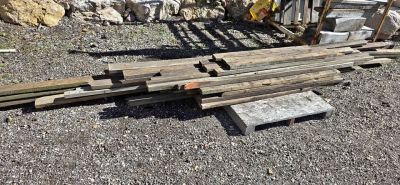
FREE Reclaimed REDWOOD 2X4 Wood Planks
FREE FREE Redwood 2x4 planks with a natural brown and gray finish. These reclaimed boards have varyi...


Various Very Large Redwood, Madrone Slabs
2 - Madrone Slabs.$300/each slab or $500 for both. See Photo for Measurements. ——- 1 - Redwood Slab...
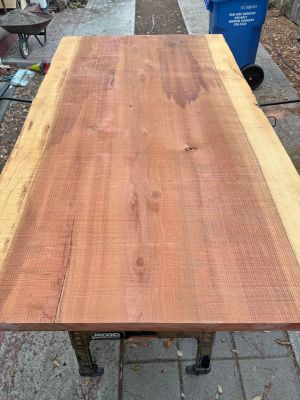
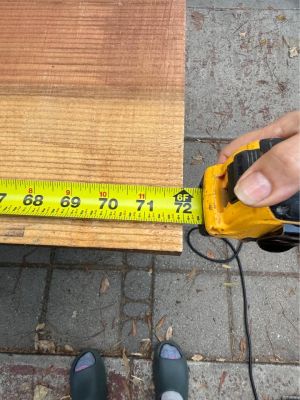
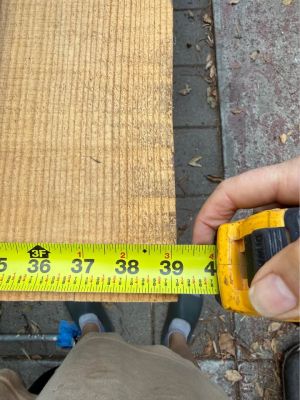
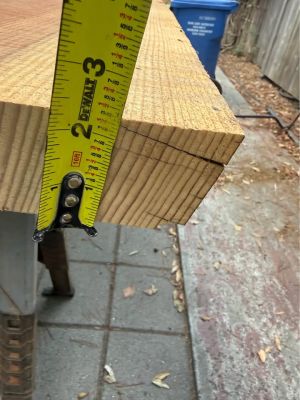
6ft Live edge Redwood slab
Redwood Slab for Sale - $150 OBO Remnant from a custom made table 72x39x2

Redwood slab 5’x5’x4”
Beautiful cross section of redwood tree! Air dried and ready for a beautiful table construction!
Live Edge Redwood Slab
This beautiful reclaimed Live Edge Redwood Slab will look perfect in a dinning room or an outside ba...

Redwood tree root slab
Very old. Was around when I was a kid. Cool piece. Have to put some memories behind me to say the le...
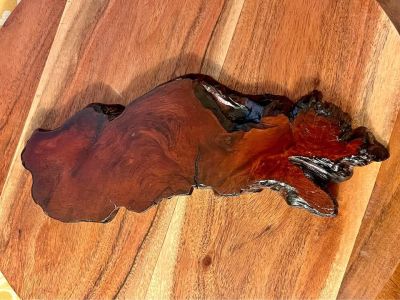
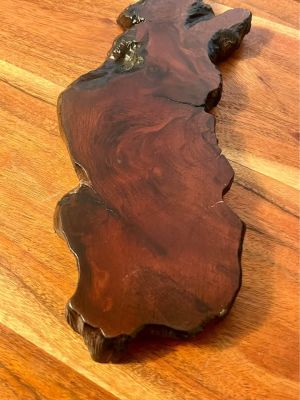
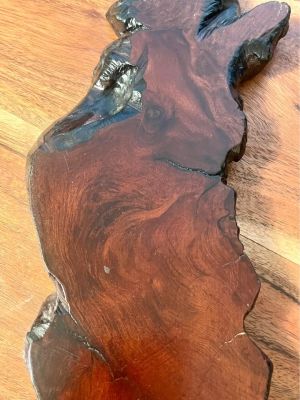
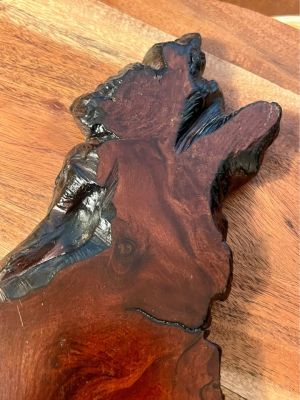
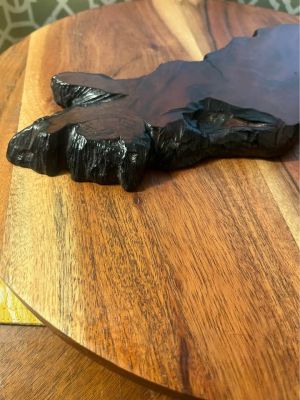
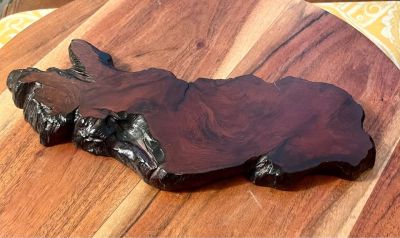
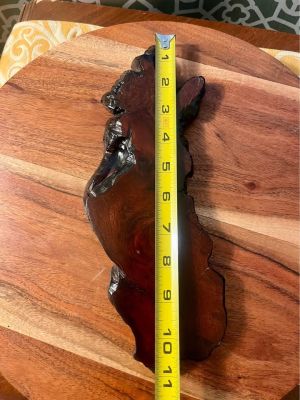
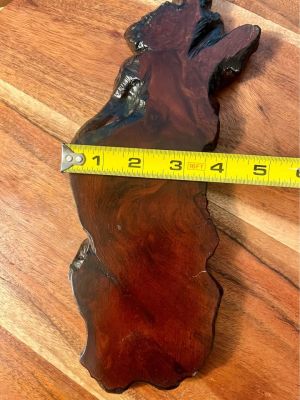
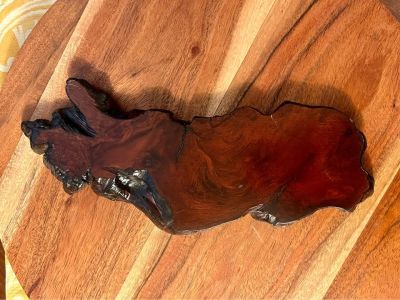
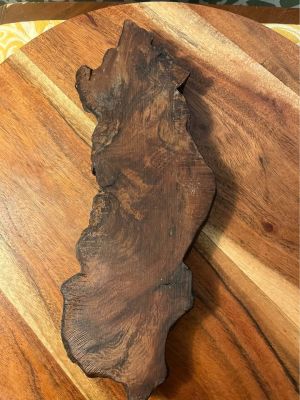
Wooden Burl Slab
This is a polished, dark reddish-brown live-edge wood slab. I believe it is redwood burl species. Fe...

Huge Live Edge Wood Slab Sale Walnut Sycamore Redwood Maple Cottonwood
20-50% off sale. Well below wholesale prices and they are DRY! 10-5, Tuesday through Saturday 112 Oh...

Old growth redwood 8’ and 12’ slabs
1-12’x30” 1-12’x23”1-12’x17” 4- 8’live edge slabs 21” to 29” wide all full 2” thick 6$ a board foot
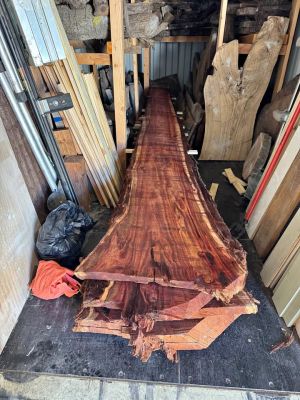
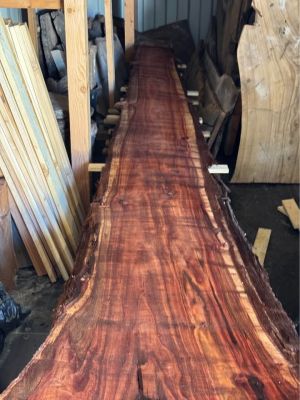
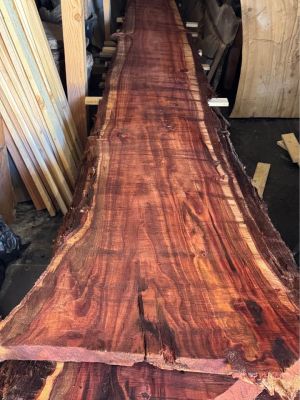
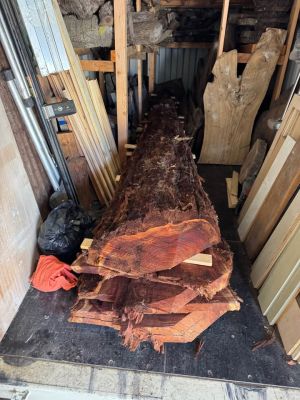
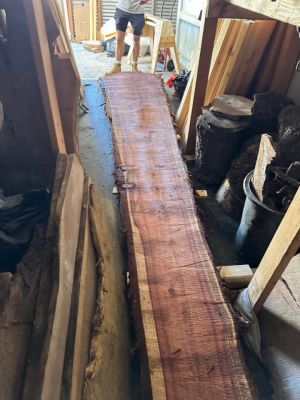
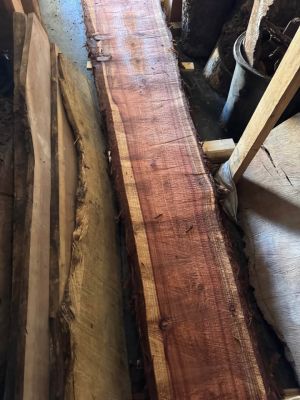
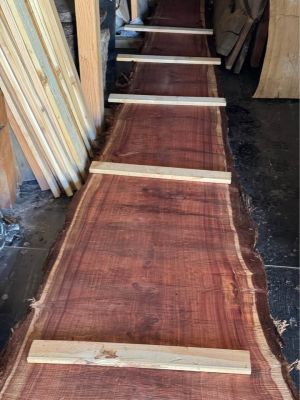
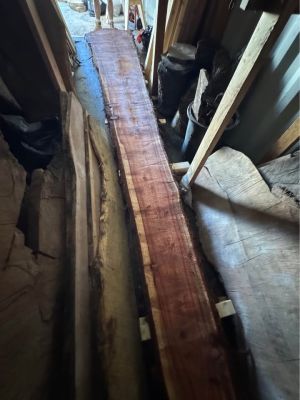
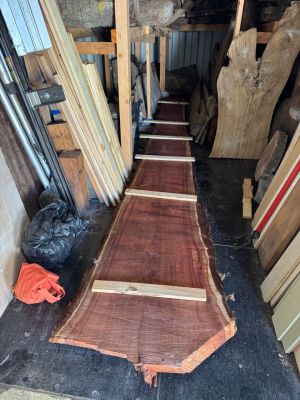
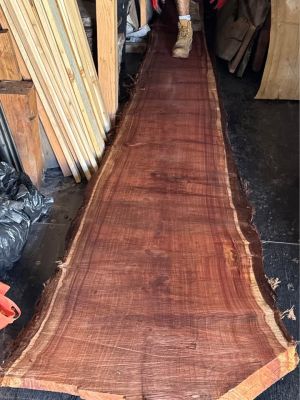
15’ Live Edge Redwood Slabs – Local Santa Ynez Redwood – Multiple Sizes
Beautiful locally salvaged redwood slabs from Santa Ynez, CA. These are exceptionally long pieces me...
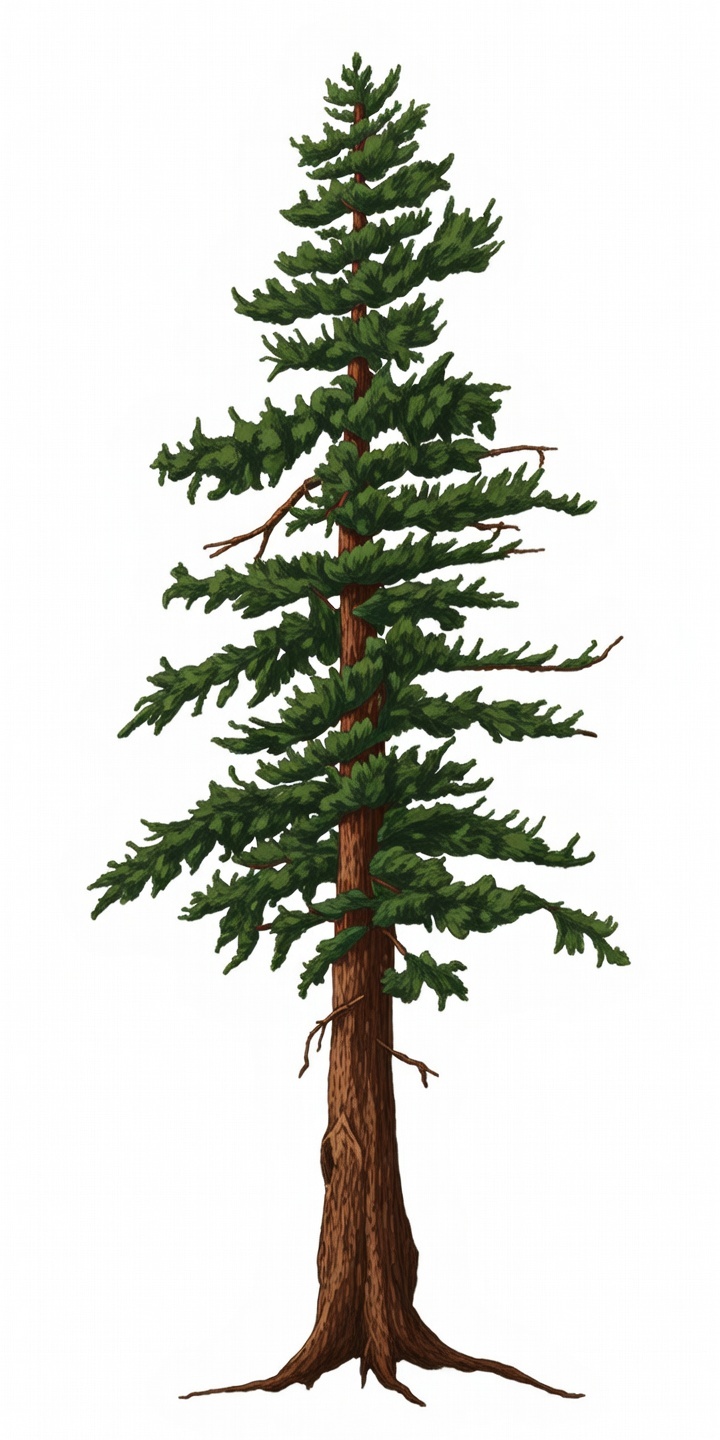 Sequoia sempervirens