Cherry Wood Slabs: Guide to American Black Cherry
Where Cherry Grows
The finest slab-grade cherry trees grow in the Appalachian highlands of Pennsylvania, West Virginia, and New York — the Allegheny Plateau specifically produces slow-growing cherry with tight, consistent grain, rich color, and minimal defects. The timber industry markets 'Pennsylvania cherry' as a premium designation for good reason.
Cherry also grows as a smaller tree throughout the Midwest and into the Great Plains, though specimens there rarely reach slab-worthy diameters. Black cherry has been planted as a landscape tree in the Pacific Northwest and has naturalized in scattered populations throughout the Willamette Valley and western Washington.
Premium cherry slabs are becoming harder to source — decades of selective harvesting in the Appalachian region have reduced the population of large, old-growth-quality trees. Second-growth cherry is abundant, but wide, figured slabs are increasingly scarce.
Range data from USGS (E.L. Little Jr., 1971-1981). Shows approximate historical native range. Actual current distribution may differ.
County presence data from USDA PLANTS Database. Shows counties where species has been documented, including planted and naturalized populations.
Cherry: The Wood That Gets Better With Age
American black cherry is a furniture maker's dream. Fresh-cut cherry has a subtle pinkish-brown color that transforms over months and years into a deep, warm reddish-brown — a natural patina that no stain can replicate.
Cherry's fine grain, smooth texture, and workability make it a top choice for heirloom furniture. As a slab species, it offers warmth and elegance at a more accessible price point than walnut.
Cherry's Famous Color Change
The most distinctive feature of cherry is its color evolution:
- Fresh cut: Light pinkish-tan, sometimes almost blonde
- 3–6 months: Noticeable darkening to warm amber
- 1–2 years: Rich reddish-brown
- 5+ years: Deep, warm brown with red undertones
This color change is driven by UV light exposure. Areas hidden from light (under a table runner, for example) will remain lighter, creating an uneven appearance. For this reason, many makers recommend letting a cherry piece "sun" evenly before placing items on it.
Tip for buyers: Don't judge cherry by its fresh-cut color. The bland pinkish wood you see in a shop will transform dramatically.
Characteristics of Cherry Slabs
Grain and Figure
Cherry has a fine, straight grain with a natural luster. Most cherry is plain-grained but beautiful. Figured cherry with curly or crotch patterns exists but is uncommon and priced accordingly.
Gum Pockets
Cherry frequently contains small dark resin deposits called gum pockets. These are natural and considered part of the wood's character — not defects. Higher grades of cherry have fewer gum pockets, but even "character grade" cherry is attractive for slab furniture.
Sapwood Contrast
Cherry's sapwood is distinctly lighter than the heartwood. On a live edge slab, you'll see a band of pale cream along the bark edge contrasting with the warm heartwood. Some makers love this contrast; others prefer all-heartwood pieces.
Sizing and Pricing
Cherry trees grow smaller than walnut or oak, so ultra-wide slabs are less common:
| Width | Typical Price per BF | Notes |
|---|---|---|
| 10–16" | $6–$10 | Shelves, small tables |
| 16–24" | $9–$14 | Desks, side tables |
| 24–30" | $12–$18 | Dining tables |
| 30"+ | $16–$22+ | Premium, less common |
Cherry is generally more affordable than walnut for comparable sizes, making it an excellent value for buyers who appreciate warm tones.
Best Uses for Cherry Slabs
Dining Tables
Cherry's moderate hardness (950 lbf Janka) works well for dining tables. It's softer than oak or maple, so it will develop character marks over time — which many owners consider a feature, not a flaw. At 950 lbf, cherry is comparable to soft maple and American sycamore — hard enough for furniture but forgiving enough that keys, belt buckles, and chair legs will leave their story in the surface over the years.
Desks and Writing Tables
The fine grain and smooth finish of cherry create an elegant, warm workspace. The developing patina adds character over years of use.
Mantels and Shelving
Cherry's warm color pairs beautifully with stone fireplaces and complements both traditional and modern interiors.
Tips for Buying Cherry Slabs
- Expect color change — what you buy will darken significantly; ask the seller for aged samples if available
- Accept gum pockets — they're natural and unavoidable in all but the highest grades
- Look for air-dried stock — cherry responds well to air drying and many artisan mills offer kiln-dried cherry that was initially air-dried for superior color
- Check for warp — cherry is relatively stable but can twist during drying if not stickered properly
- Consider character grade — the gum pockets and sapwood contrast that define "character" cherry are often more visually interesting than clear stock
Cherry Slabs for Sale
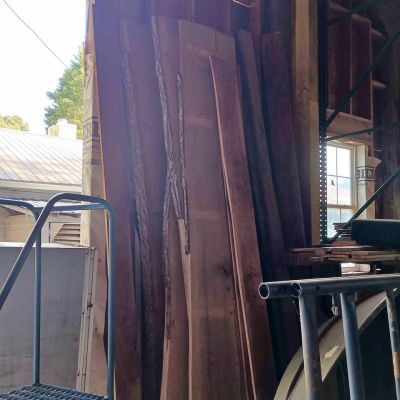
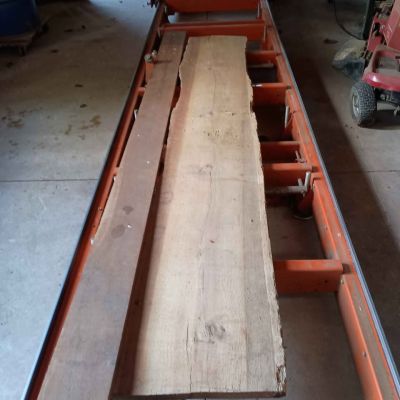
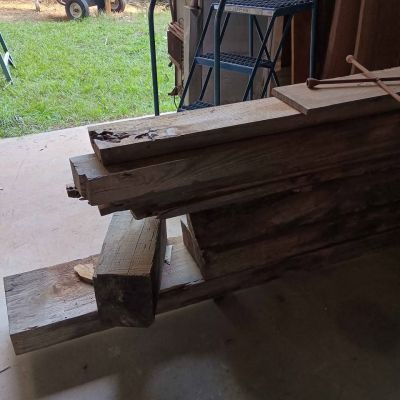
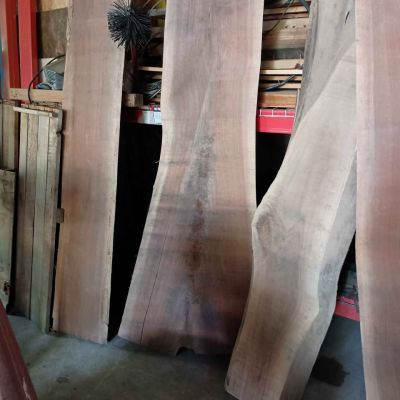
Wooden Slabs
Various kinds of wood slabs cut on my Woodmizer LT 15 Wide.Cherry Walnut White oak Red oak Silver ma...
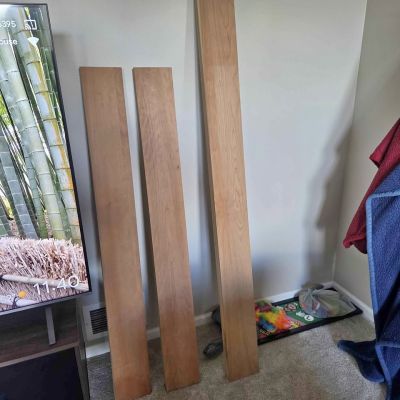
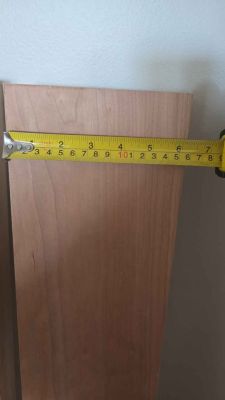
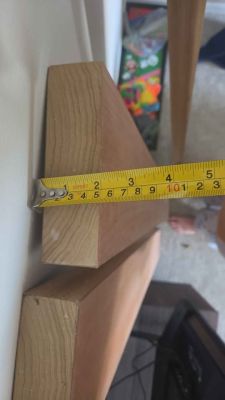
Poplar boards with cherry vaneer
True 2" x 6" sharp cornered boards. They are poplar with cherry veneer The short boards are 55" leng...
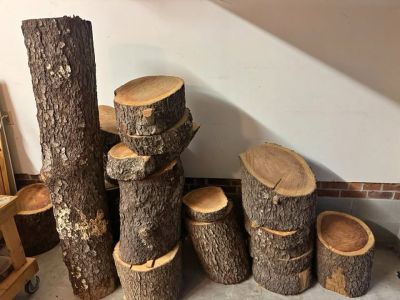
Cherry Wood Logs & Rounds — Garage Seasoned Nearly 8 Years — Best Offer
Selling cherry wood logs and rounds from a very old cherry tree that blew down in a storm almost eig...
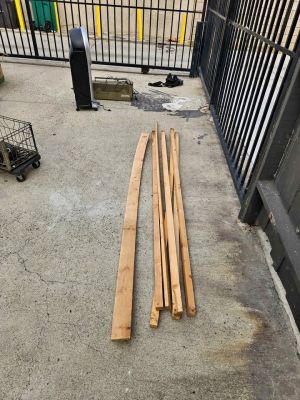
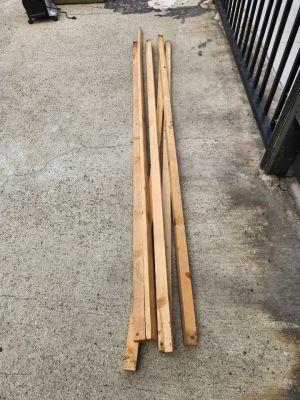
Furring strios
Furring strops. FREE. .Today only. Must take all 14th and cherry. Long beach
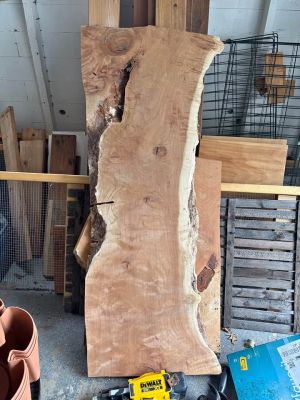
Figured Cherry Live Edge Wood Slab
Gorgeous figured cherry wood with live edge that I never got around to using in a project. 1.5" thic...
Cherry Wood Huge Slab..4 In Thick x 17 1/2 Wide x 18 1/2 Tall at the Shortest Spot By Milledgeville
Huge Slab Cherry Wood See my other Stuff Some Older Some Newer
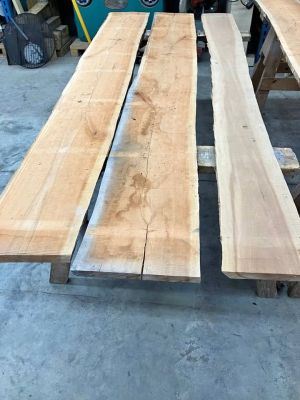
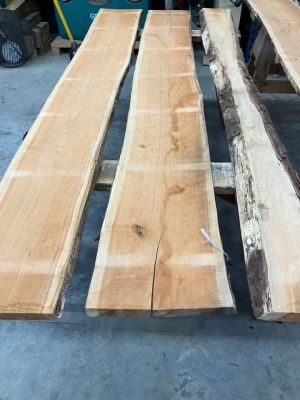
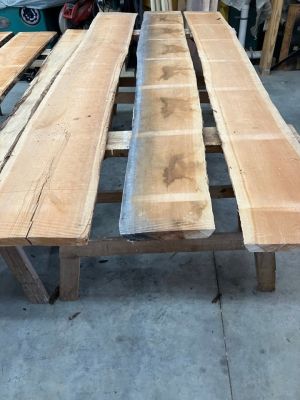
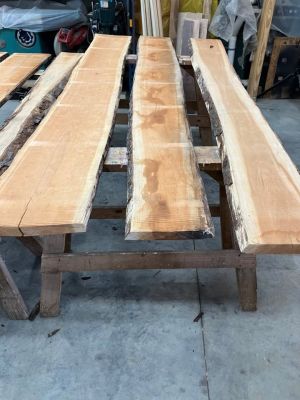
5/4 cherry live edge boards
I have 6 boards for sale. Cherry, 5/4 thick, 8ft long, vary from 6" to 12" wide, live edge. The pict...
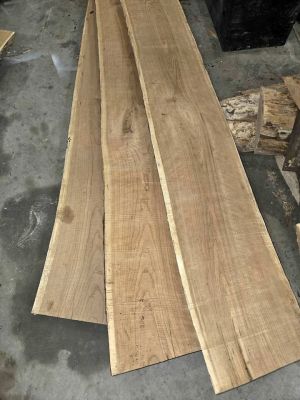
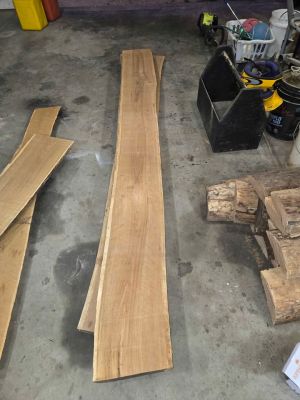
Cherry Wood Rough Sawn
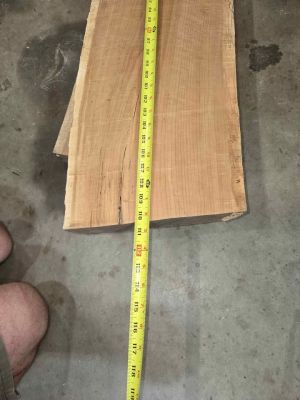
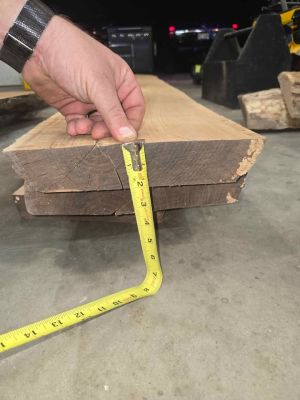
Each board is roughly 11.25 at narrowest to 12.25 at widest. 2 inch thick 110.25in long $180 for ent...

Cherry Wood Project Wood
This is either a Solid Cherry Rack or Shelf, or your raw materials for your next cherry project. The...
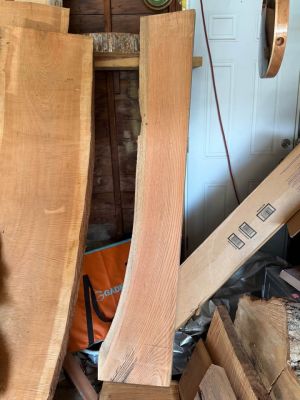
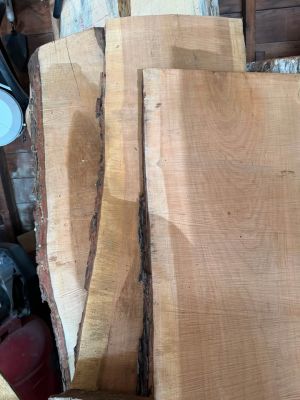
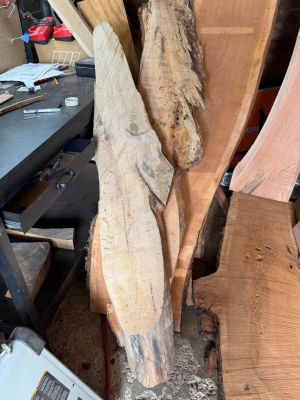
HALF PRICE LIVE EDGE CHERRY SLABS
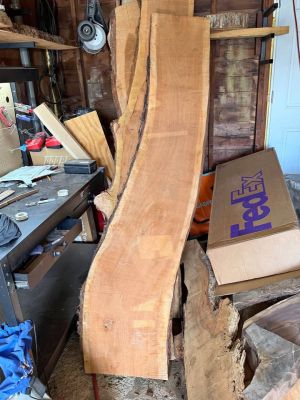
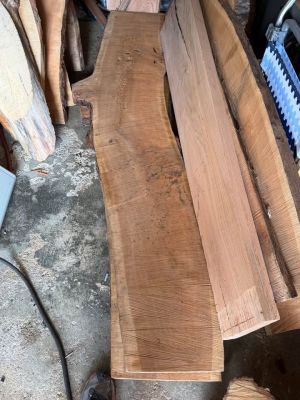
Multiple live edge Cherry slabs. Slabs vary in size but most are over 6 feet long. Widths vary from...
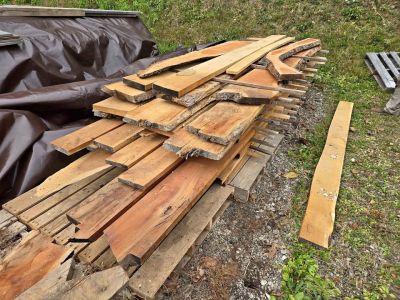
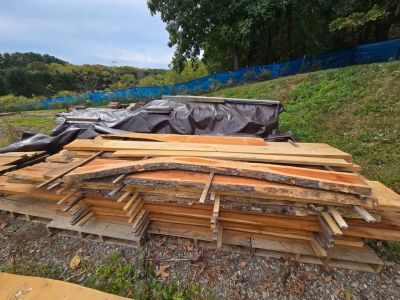
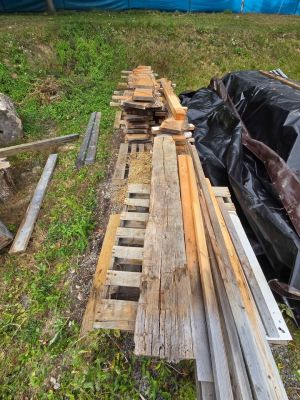
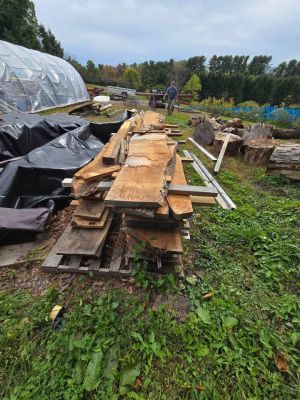
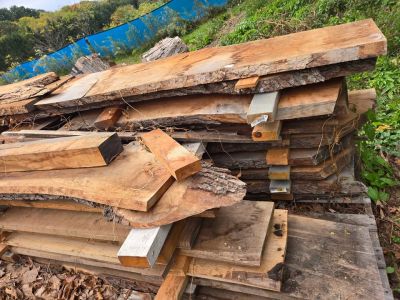
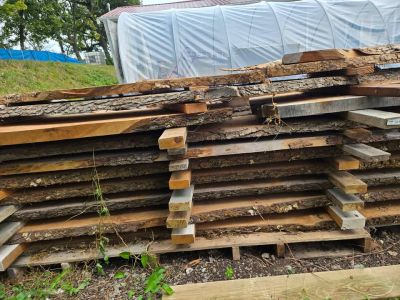
Live edge wood slabs and beams
Big Live edge wood slabs. Mostly cherry, some oak and catalpa. $10-20 each. Must come see and choose...
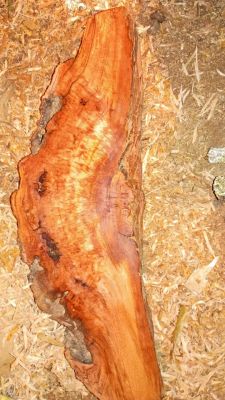
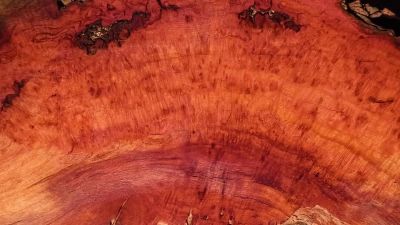
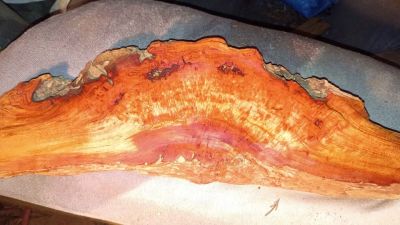
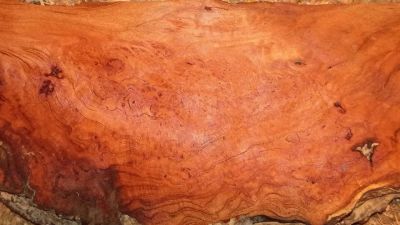
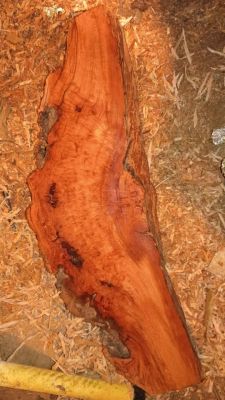
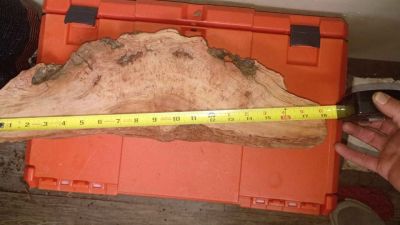
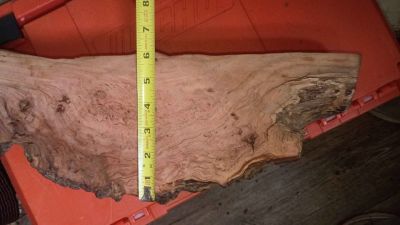
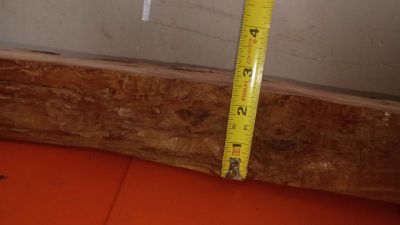
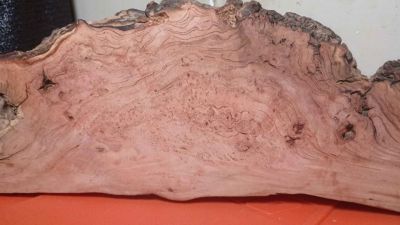
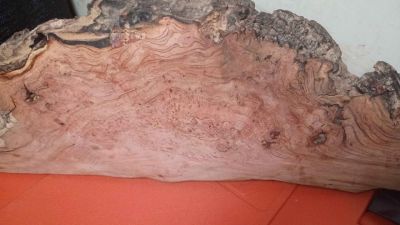
Cherry Burl Slab 18" x 6" x 2.25" — Deep Red Figured Live Edge Blank
One solid cherry burl slab with heavy figure from end to end. Dry, it shows pale pink and tan grain...
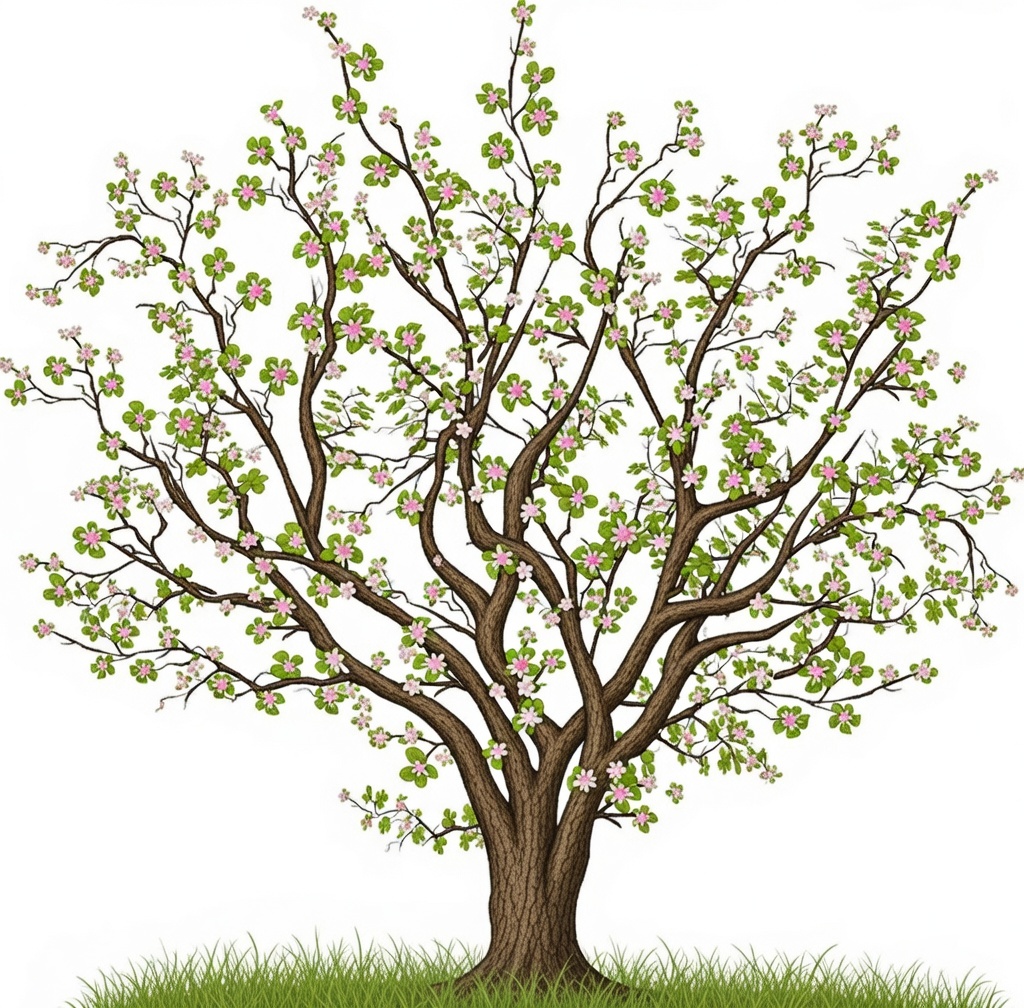 Prunus serotina