Maple Wood Slabs: Hard Maple, Soft Maple & Spalted Maple Guide
Maple Subtypes
Dense, durable, food-safe. The standard for countertops and butcher blocks.
Sugar maple and its cultivars have been planted as street trees coast to coast — mature specimens grow in neighborhoods from Denver to Portland to Atlanta — but planted trees are not a reliable commercial slab source.
Still a hardwood — 25% softer than hard maple but easier to work and more affordable.
Silver maple (Acer saccharinum) follows river corridors from New Brunswick to the Great Plains and has been extensively planted as a fast-growing shade tree in cities and towns throughout the Midwest and West.
The PNW slab workhorse — produces massive trunks, quilted and figured pieces command global premiums.
Bigleaf maple produces 3-5 foot diameter trunks routinely, and quilted or figured bigleaf from the PNW is exported worldwide. Urban removals in Portland, Seattle, and Eugene are a significant slab source. Also naturalized in some coastal northern California communities beyond its strict native range.
Partially decayed with dramatic black zone lines. Prized for its unique appearance.
The PNW's wet climate and abundant bigleaf maple deadfall make it the primary commercial source for spalted slab material.
Where Maple Grows
Red maple has dramatically expanded its dominance in eastern forests over the past century due to fire suppression and deer browse, meaning more soft maple enters the lumber supply each year relative to sugar maple.
Range data from USGS (E.L. Little Jr., 1971-1981). Shows approximate historical native range. Actual current distribution may differ.
County presence data from USDA PLANTS Database. Shows counties where species has been documented, including planted and naturalized populations.
Maple: The Light-Toned Workhorse
While walnut dominates the dark slab market, maple owns the light end of the spectrum. Its pale, clean appearance brightens any space, and its density makes it one of the most durable species for surfaces that see heavy daily use.
Maple slabs are the top choice for kitchen countertops, butcher blocks, and desks where durability meets elegance.
Hard Maple vs. Soft Maple vs. Spalted
Hard Maple (Sugar Maple)
At 1,450 lbf Janka, hard maple is one of the hardest domestic species. It resists dents and scratches, making it ideal for surfaces that take abuse — kitchen counters, workbenches, and commercial tops. For perspective, hard maple is the species used for bowling alley lanes and NBA basketball courts — surfaces engineered to absorb years of punishing impact. It's about 40% harder than walnut and in the same class as hickory.
Hard maple's tight, closed grain accepts food-safe finishes well and doesn't harbor bacteria, which is why it's the FDA-approved standard for butcher blocks.
Soft Maple
Despite the name, soft maple is still a hardwood (950 lbf Janka — harder than cherry or poplar). It's easier to machine than hard maple and takes stain more evenly. If you want the maple look without the cost or difficulty of working hard maple, soft maple delivers.
Spalted Maple
Spalting occurs when fungi create dark zone lines through the wood during early stages of decay. The result is visually spectacular — no two pieces look alike. However, spalted wood is softer and more fragile than sound maple.
Buying spalted maple:
- Look for pieces where spalting is throughout, not just on the surface
- Avoid punky or spongy areas — the wood should still feel solid
- Spalted slabs often need stabilization (epoxy penetration) for structural projects
- Best for decorative pieces, accent tables, and wall art rather than heavy-use surfaces
Figure Types in Maple
Maple produces some of the most prized figure patterns in woodworking:
- Curly (Fiddleback) — rippling waves of light and shadow across the grain, named for its traditional use in violin backs
- Quilted — three-dimensional puffed appearance, almost holographic under finish
- Birdseye — tiny circular patterns scattered across the surface, caused by dormant bud clusters
- Ambrosia — streaks of gray-brown caused by ambrosia beetle galleries, adding character to otherwise plain wood
Figured maple can command 3–10x the price of plain stock, depending on intensity and consistency of the figure.
Sizing and Pricing
| Type | Typical Price per BF | Notes |
|---|---|---|
| Soft Maple (plain) | $5–$10 | Affordable, versatile |
| Hard Maple (plain) | $7–$14 | Premium work surfaces |
| Spalted Maple | $10–$18 | Visual impact |
| Curly/Quilted Maple | $15–$25+ | Premium figured stock |
| Birdseye Maple | $20–$30+ | Rare, collector-grade |
Best Uses for Maple Slabs
Kitchen Countertops
Hard maple's density, food safety, and light color make it the gold standard for kitchen surfaces. Pair with a mineral oil finish for a traditional butcher block look, or use a conversion varnish for a more modern, maintenance-free surface.
Desks and Work Surfaces
Maple's scratch resistance makes it practical for daily desk use. The light color keeps workspaces feeling bright and clean.
Decorative Accent Pieces
Spalted and figured maple slabs make stunning wall art, mantels, and accent tables — pieces where visual impact is more important than structural performance.
Tips for Buying Maple Slabs
- Specify hard or soft — the price and performance difference is significant
- Check color consistency — maple can vary from white to reddish within the same board
- Verify kiln schedule — maple is prone to internal stress if dried too aggressively
- Ask about mineral staining — dark streaks in maple are caused by mineral deposits, not defects, but some buyers prefer clean stock
- For spalted pieces — squeeze the wood; if it compresses, it's too far gone for furniture use
Maple Slabs for Sale

FREE MAPLE WOOD SLAB
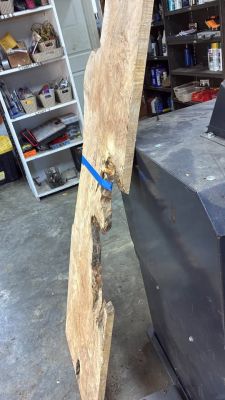
Maple wood slab. 2" thick 91" long, 25" wide (widest part) Free to be picked up
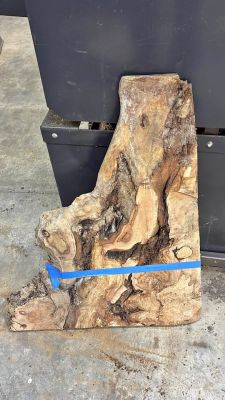
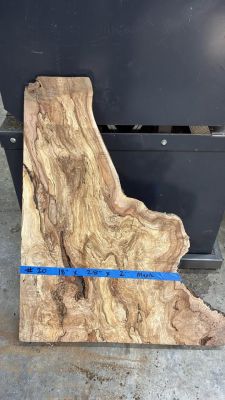
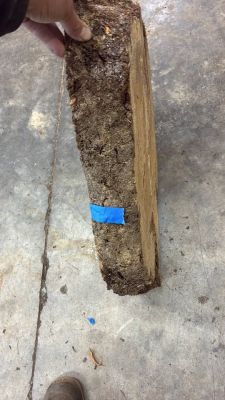
#20 Ambrosia Figured Maple slab
18” wide x 20” tall x 2” thick big leaf maple kiln dried slab
#16 Curly maple live edge kiln dried slab planed 2 sides
Highly figured big leaf maple slab. 20” x 28” x 3/4” thick
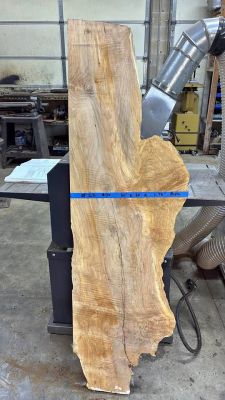
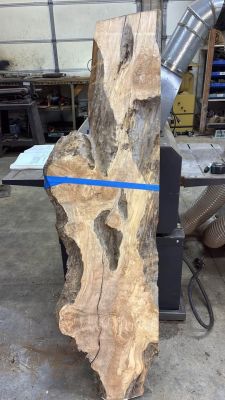
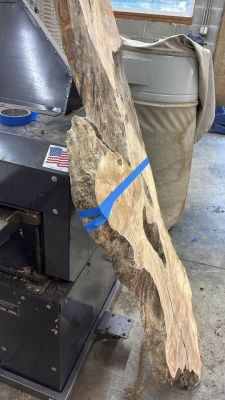
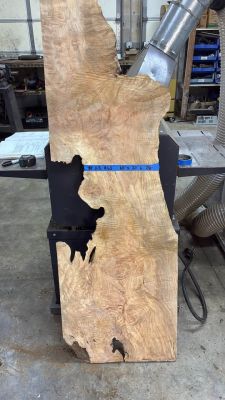
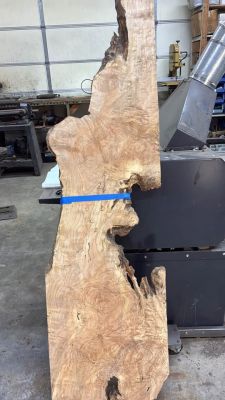
#22 Highly figured big leaf maple slab- kiln dried
60” long x14-24” wide x 1-3/4 thick live edge maple slab
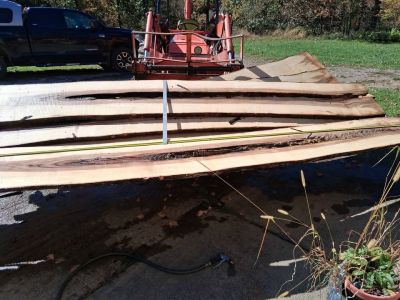
Maple Live Edge Slabs
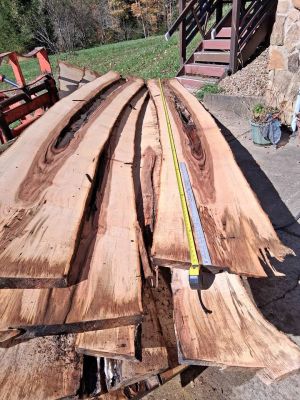
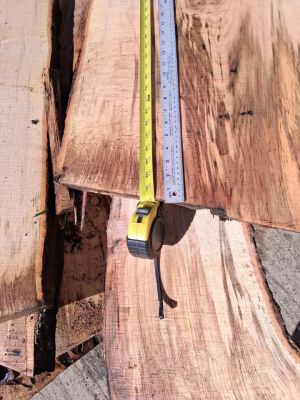
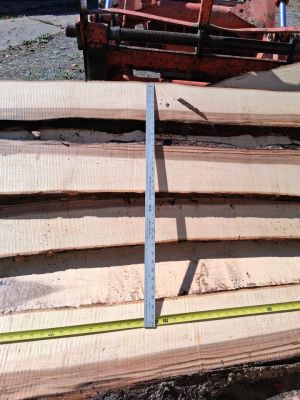
Look for something to make a river table out of .Natural maple live edge wood slabs with unique grai...
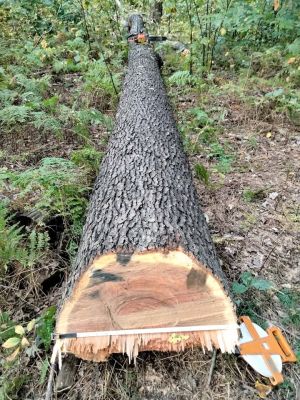
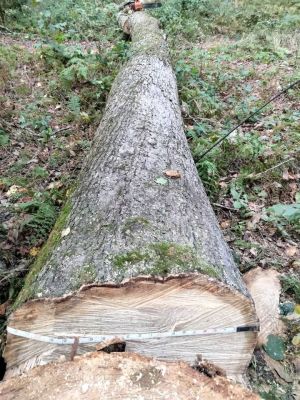
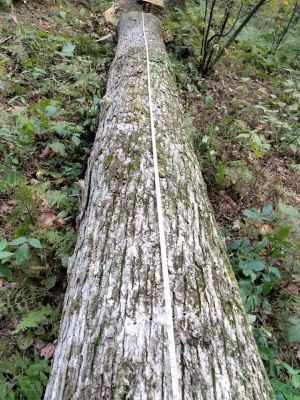
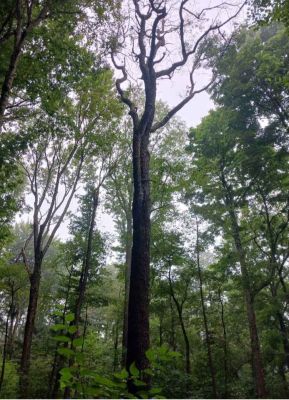
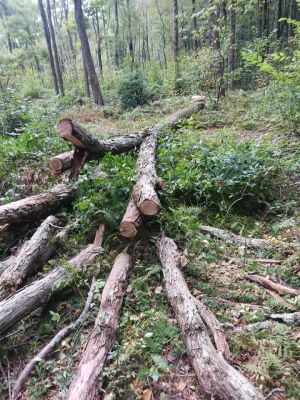

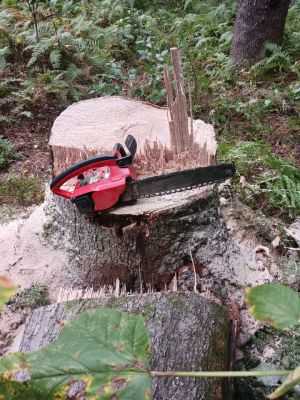
Logs for lumber, live edge slabs, or firewood. Best offer?
$150 per log obo. I have two trees that were just cut down. They were dying but the main trunks are...
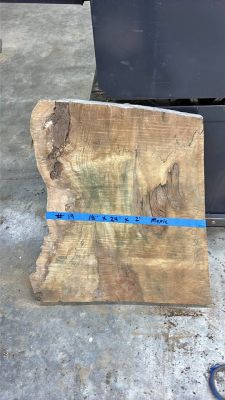
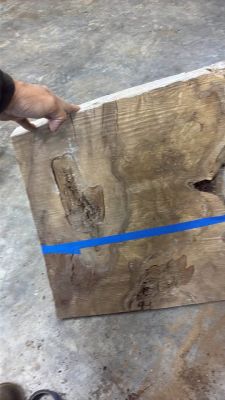
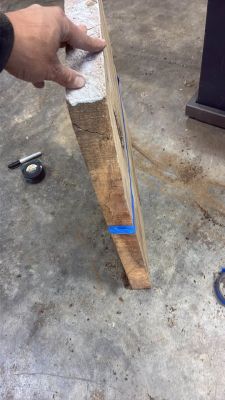
#19 Highly figured Ambrosia Maple slab- kiln dried
18” wide x 24” tall x 2” thick big leaf maple slab
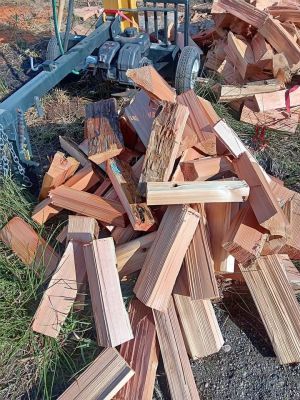
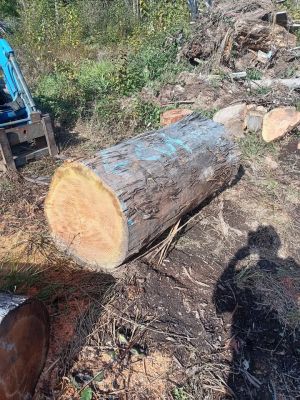
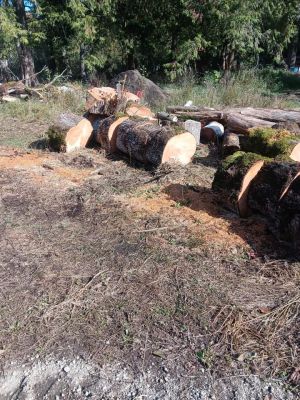
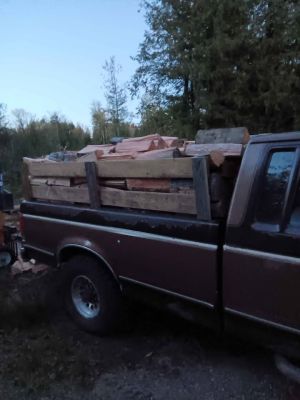
Maple fir and cedar for sale
I have firewood for sale. I have maple fir and cedar. Please text for price.. I am in Everson wash....

Maple Live Edge Slabs - general for sale - by owner
Old growth Maple live edge slabs for sale 3-1/2 ft - 4-1/2 ft diameter 2.5" to 2.75" thicknesses. Se...

Figured lumber for sale - materials - by owner - sale
Many types of figured lumber for sale. Birdseye maple, curly maple, curly oak, curly walnut, curly c...

The Whittle Shop
Visit the Whittle Shop, located 1 mile north of Redmond on Highway 97 Special orders welcome! Come i...
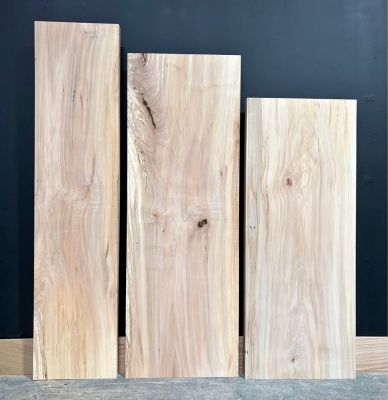
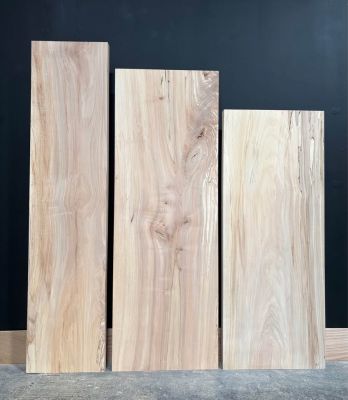
Silver Maple boards
Silver Maple boards. Planed, sanded to 120 grit, and straight edges/ends squared. (1) 52” x 12” x 1....
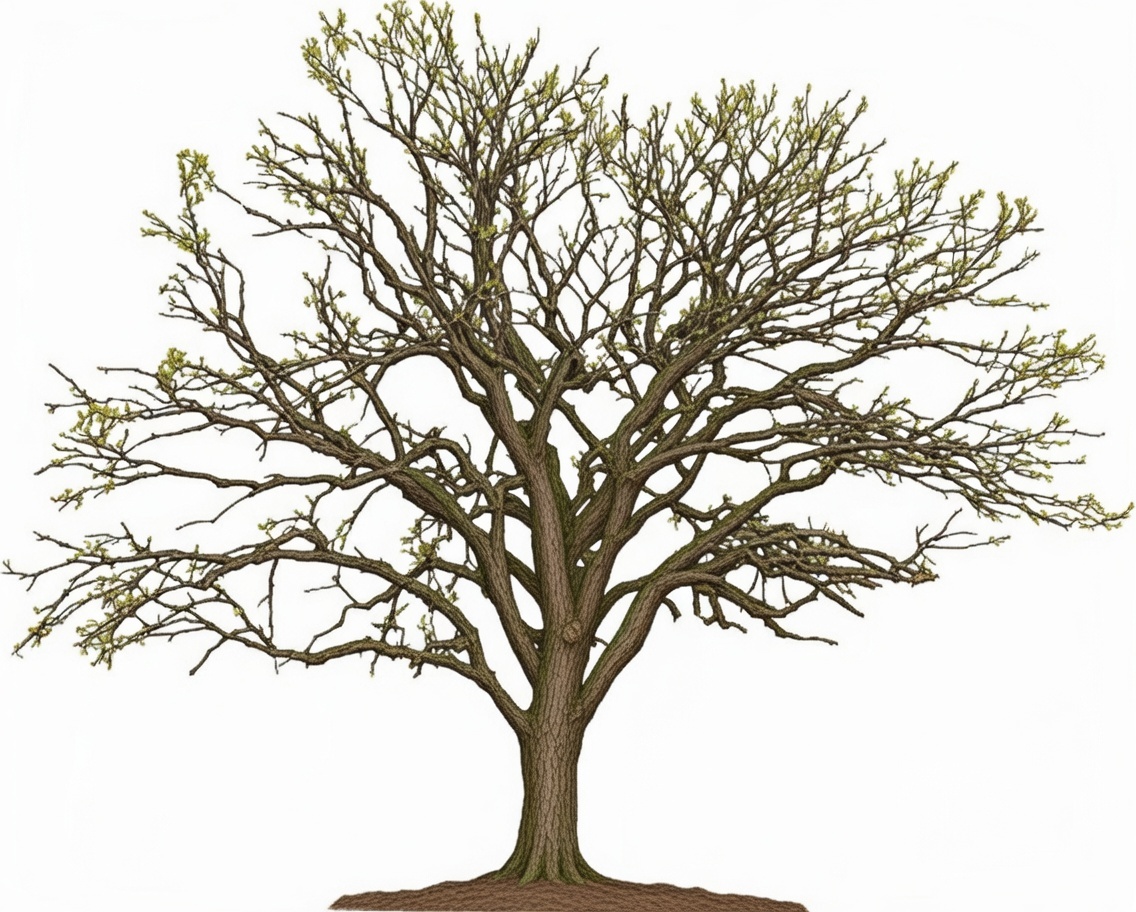 Acer saccharum (hard), Acer rubrum (soft)