Cedar Wood Slabs: Western Red Cedar, Alaskan Yellow & More
Cedar Subtypes
Most common cedar for slabs. Naturally rot-resistant, lightweight, and aromatic.
Widely planted as a landscape tree throughout the maritime PNW well south of its natural concentration, into urban areas of western Oregon's Willamette Valley, and even coastal northern California. Also planted in irrigated landscapes in Spokane, Boise, and Missoula — well outside its native inland habitat.
Harder and denser than red cedar. Exceptional rot resistance, coveted for marine and outdoor use.
This species is experiencing a well-documented die-off in southeastern Alaska linked to climate change — reduced snowpack exposes shallow roots to late-spring freezes. The die-off has accelerated since the 1880s and has created a supply of salvage-grade yellow cedar from dead-standing trees, which remains excellent lumber due to the wood's extreme decay resistance.
Fine-grained, strong for its weight. Historically used in boatbuilding and archery bows. Supply increasingly limited by root disease.
Port Orford cedar root disease (Phytophthora lateralis), a water mold introduced in the 1950s, has devastated populations throughout this tiny range. The pathogen spreads through waterways and road drainage, making POC increasingly scarce and driving up slab prices. Most lumber now comes from salvage and careful harvesting in uninfected drainages.
Not a true cedar (it's a juniper). Known for its intense scent. Used for closet linings and small projects.
Eastern red cedar is one of the fastest-spreading native trees in North America — fire suppression over the past century has allowed it to colonize millions of acres of Great Plains grassland from Kansas to Oklahoma to Texas. In some central Oklahoma and Kansas counties, cedar density has increased over 500% since 1950. This expansion is a land management concern but also a growing slab opportunity, as clearing efforts produce increasing volumes of large-diameter logs.
Where Cedar Grows
Several cedar species face ecological pressures — Alaskan yellow cedar is experiencing climate-driven die-off in its northern range, Port Orford cedar is threatened by an introduced root disease, and eastern red cedar is expanding aggressively due to fire suppression.
Range data from USGS (E.L. Little Jr., 1971-1981). Shows approximate historical native range. Actual current distribution may differ.
County presence data from USDA PLANTS Database. Shows counties where species has been documented, including planted and naturalized populations.
Cedar: The Outdoor Slab Specialist
Cedar is the go-to wood for outdoor projects. Its natural oils make it resistant to rot, insects, and moisture — without chemical treatment. For slab buyers, cedar offers a route to outdoor furniture that will weather gracefully for years.
Cedar slabs are lighter and softer than hardwoods, which means they're easier to handle and work but won't stand up to the same abuse as walnut or oak. Choose cedar when natural weathering resistance matters more than surface hardness. Western red cedar at 350 lbf sits alongside eastern white pine and basswood on the Janka scale — a firm thumbnail pressed into the surface will leave an impression. Even the hardest subtype, eastern red cedar at 900 lbf, only approaches cherry territory.
Comparing Cedar Types
| Property | Western Red | Alaskan Yellow | Port Orford | Eastern Red |
|---|---|---|---|---|
| Janka Hardness | 350 lbf | 580 lbf | 720 lbf | 900 lbf |
| Rot Resistance | Excellent | Exceptional | Excellent | Good |
| Weight | Very light | Moderate | Moderate | Moderate |
| Color | Red-brown | Pale yellow | Light brown | Red-purple |
| Aroma | Strong | Moderate | Mild | Very strong |
| Cost | $$ | $$$ | $$$ | $ |
Western Red Cedar
The most widely available and affordable cedar for slabs. Its reddish-brown color weathers to a silver-gray patina outdoors. Ideal for outdoor dining tables, bench slabs, and mantels.
Alaskan Yellow Cedar
Significantly harder and denser than red cedar. Exceptional in marine environments — it resists saltwater exposure better than almost any other North American species. Premium priced and worth it for waterfront installations.
Port Orford Cedar
A Pacific Northwest specialty with a fine, even texture and good strength. Historically prized for arrow shafts and boatbuilding. Makes beautiful, tight-grained slabs.
Sizing and Pricing
Western red cedar grows to enormous sizes, producing some of the widest slabs available:
| Width | Typical Price per BF | Notes |
|---|---|---|
| 12–20" | $4–$8 | Shelves, benches |
| 20–30" | $7–$12 | Outdoor tables |
| 30–48" | $10–$15 | Large tables, bar tops |
| 48"+ | $12–$18+ | Old-growth, premium |
Best Uses for Cedar Slabs
Outdoor Dining Tables
Cedar's rot resistance and light weight make it perfect for patio furniture. Apply a UV-protective finish to maintain color, or let it silver naturally.
Mantels and Accent Pieces
The warm red tones of western red cedar create a rustic, inviting look above fireplaces. Cedar mantels are lightweight and easy to mount.
Hot Tub Surrounds and Decking
Cedar's moisture resistance makes it a natural choice for wet environments. It won't rot from splashes and humidity the way most hardwoods would.
Tips for Buying Cedar Slabs
- Know your type — western red, Alaskan yellow, and Port Orford have very different properties and prices
- Check for sapwood — cedar sapwood has no rot resistance; for outdoor use, insist on mostly heartwood
- Expect softness — cedar dents easily; it's not suitable for heavy-use indoor surfaces
- Plan for movement — cedar slabs are stable but wide slabs from large trees should still be properly dried
- Protect the color — unfinished cedar turns silver-gray outdoors within months; use a UV finish if you want to keep the warm tone
Cedar Slabs for Sale
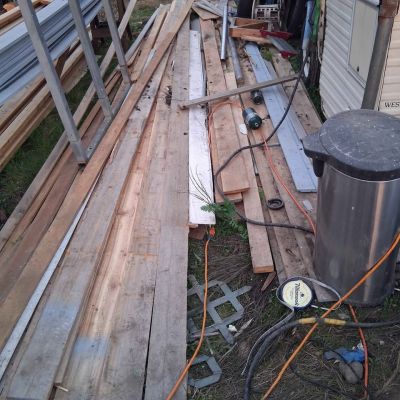
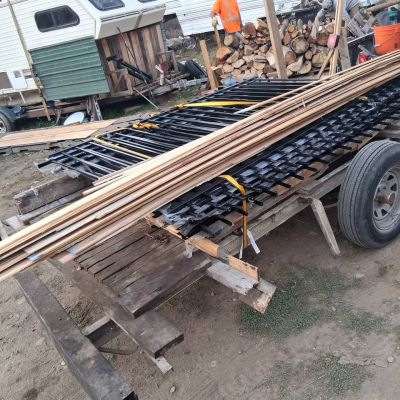
Wood for sale
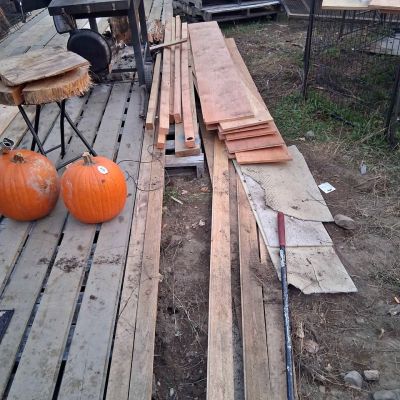
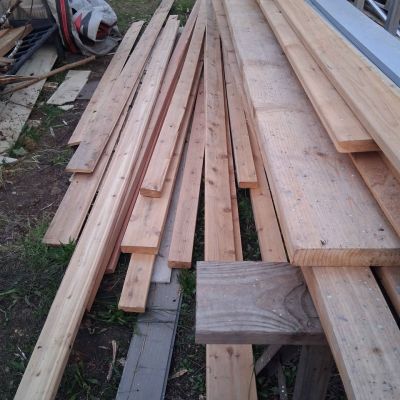
Assorted lumber pile includes various lengths and widths of natural wood boards. The collection has...
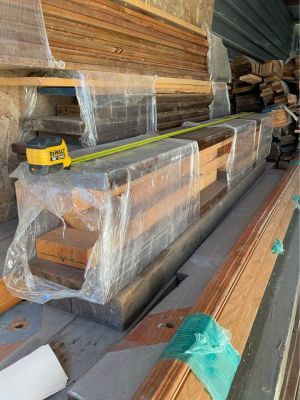
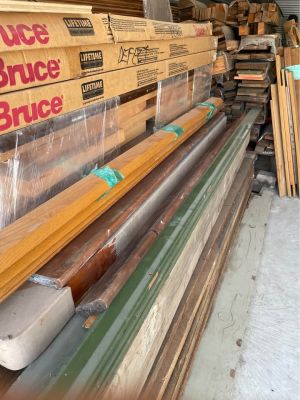
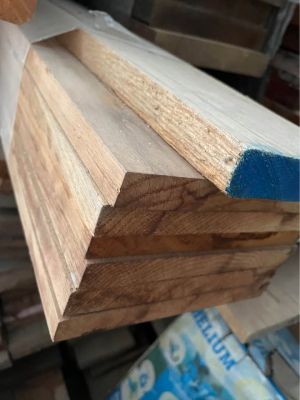
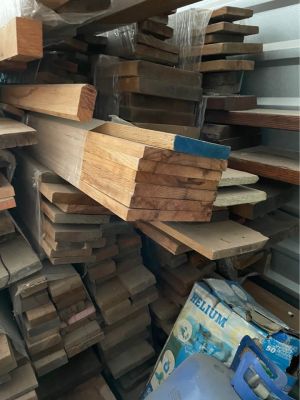
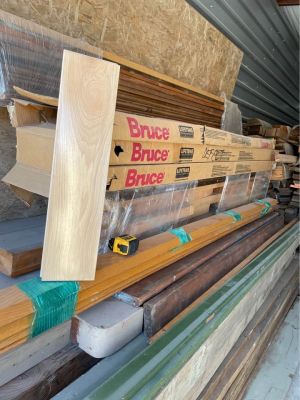
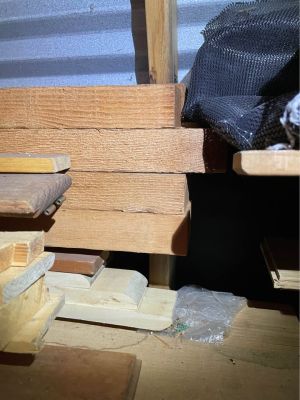
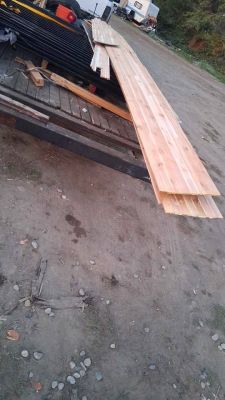
Bundles of premium furniture grade hardwoods- western red cedar, ponderosa Pine, Douglas fir, oak
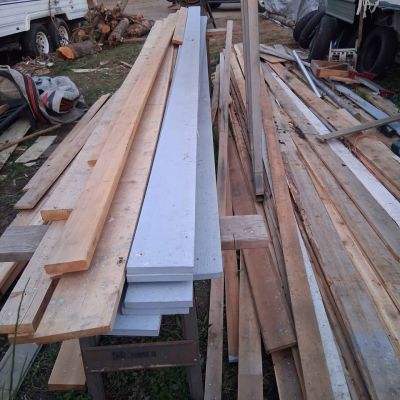
 Lots of furniture, making grade hardwoods (along with many machines and hand powered tools) from O...
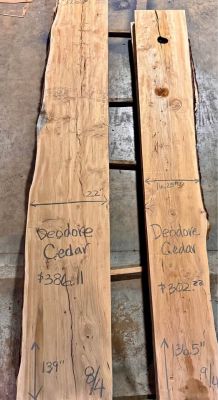
Slab of the week.
Deodore Cedar slabs on sale !! We only have a limited amount left. The photos don’t do it justice co...
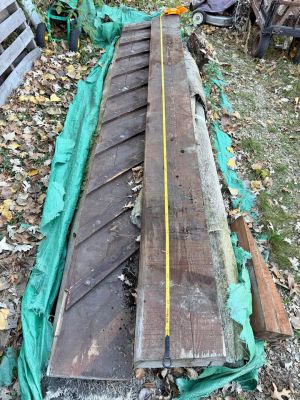
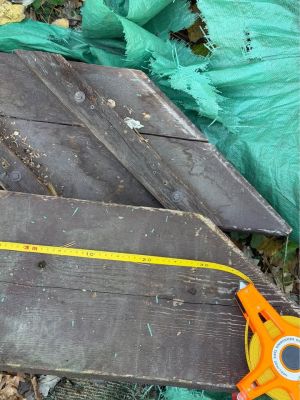
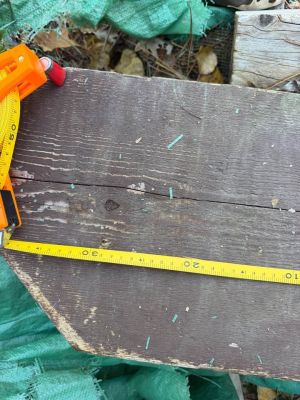
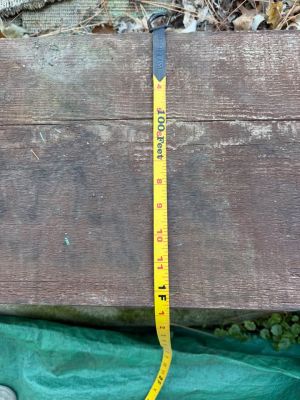
Cedar Beams
We removed our stairs and these are the cedar beams that held the steps. They are rough sawn with na...
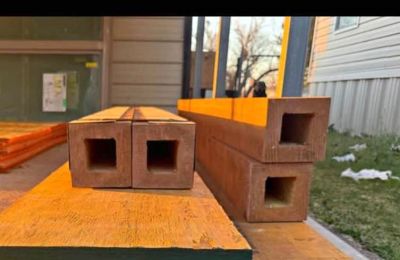
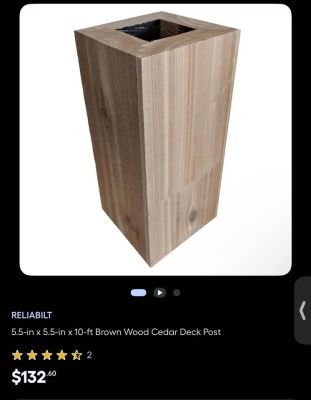
Cedar Post/ Postas
Hollow Cedar Post 5.5”x5.5”x10’ $50 each 5 available Posta de Cedro 5.5”x5.5”x10’ $50 c/u 5 disponib...
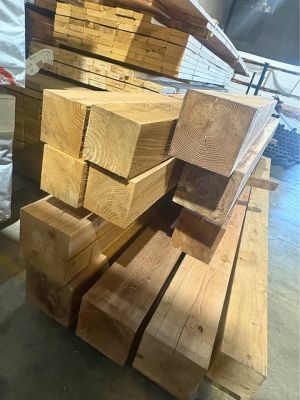
Post 6x6 8x8
Post Cedar KD Western Red Cedar Douglas Fir Pressure treated Call Angela [hidden information] Or com...

Cedar Live Edge Slab
Cedar live edge slab, bone dry and ready to finish. 101” long 14” wide on one end 10.5” wide on the...
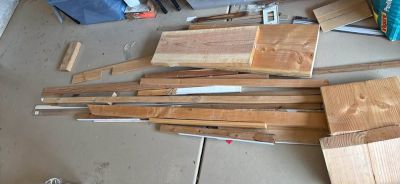
FREE Wood pine, cedar remnants
Come get em while they last - wood remnants from a home remodel project
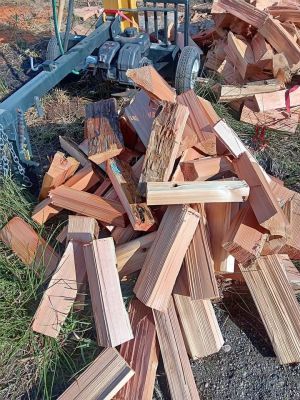
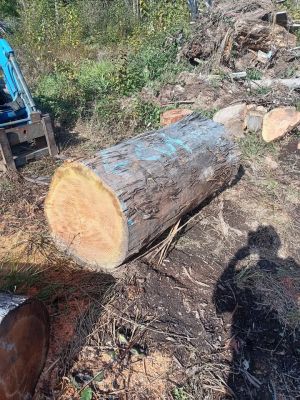
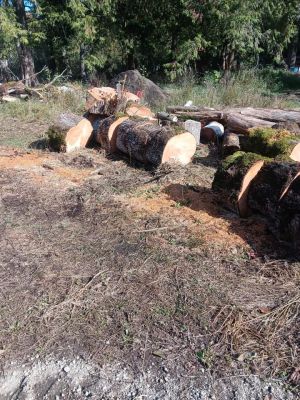
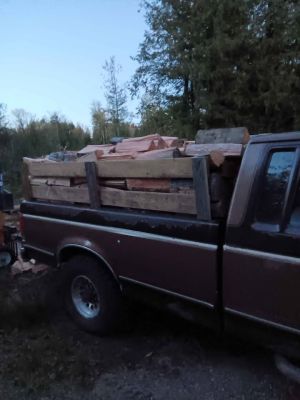
Maple fir and cedar for sale
I have firewood for sale. I have maple fir and cedar. Please text for price.. I am in Everson wash....

FIREPLACE MANTELS, HARDWOOD, AND SLABS
MIDWAY PROJECT LUMBER is located on Hollow Spring Rd, Bradyville Tn, Shop and warehouse are located...
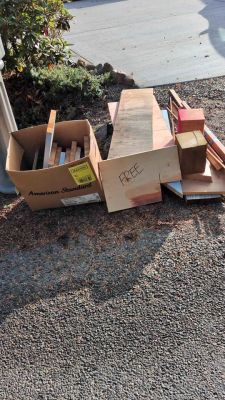
Assorted Scrap Wood and Lumber
Various wood scraps and lumber pieces in different sizes and types. This collection includes cedar p...
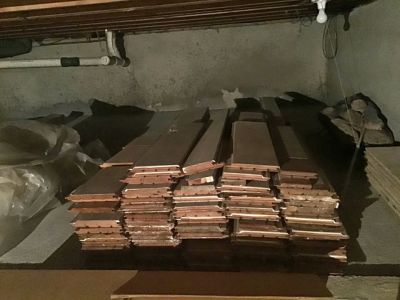
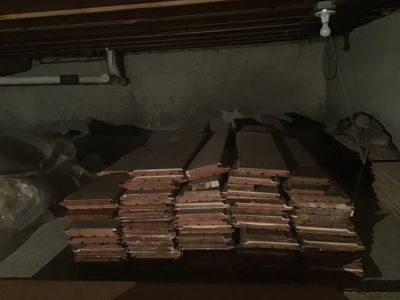
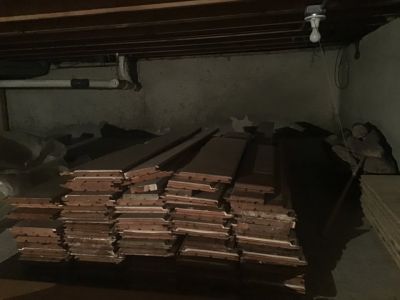
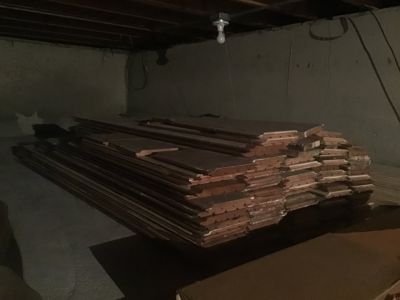
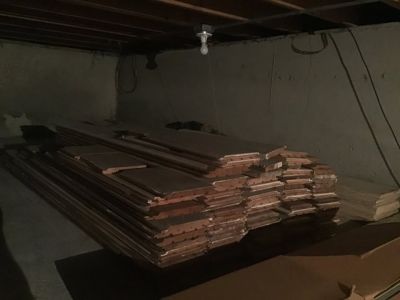
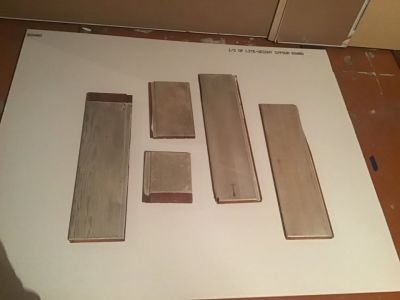
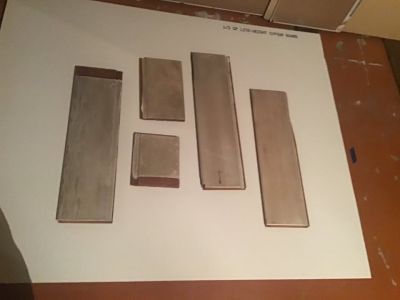
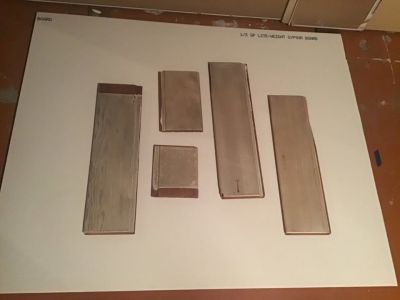
Cedar Tongue and Groove Special Projects Wood Reclaimed Material Boards Lumber
Have Many Pieces of Reclaimed 1x6 Cedar Boards Tongue & Groove Various Lengths - Beautiful Washed Ag...
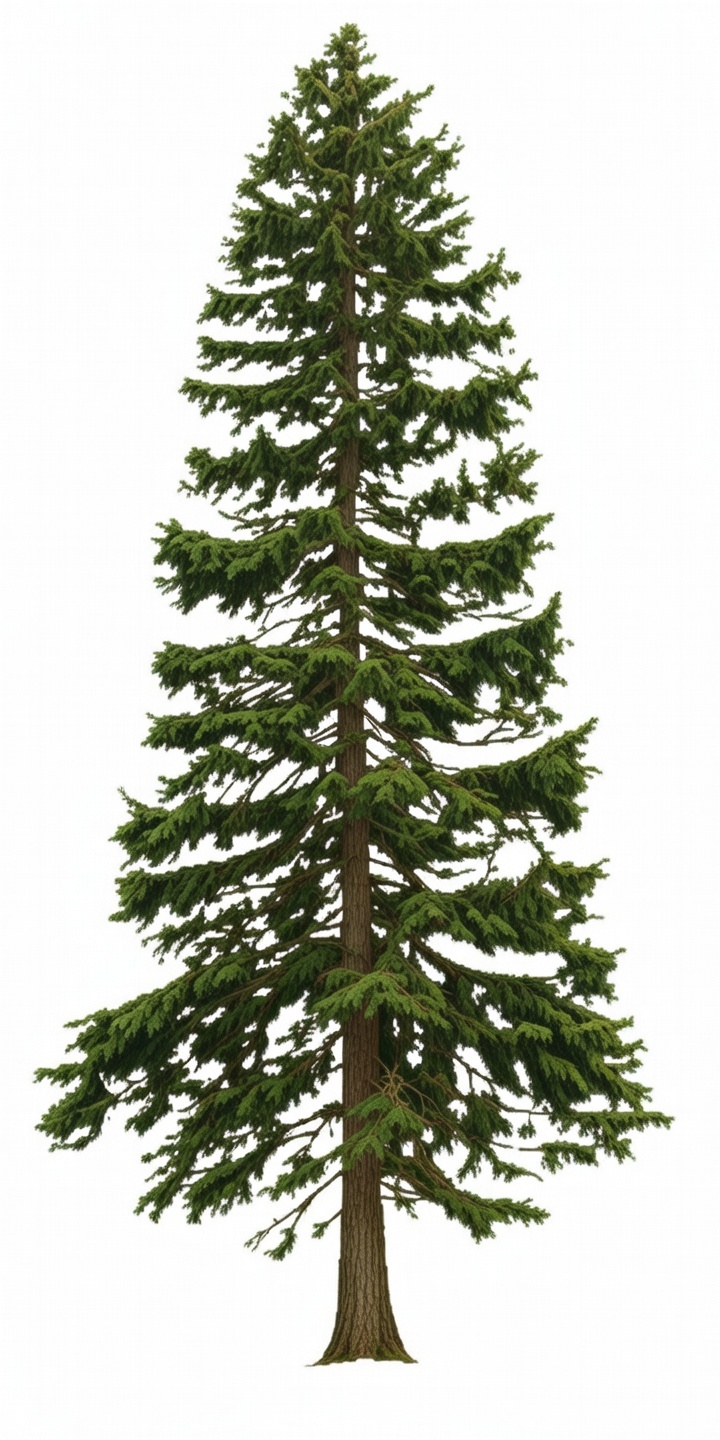 Thuja plicata (Western Red), Cupressus nootkatensis (Alaskan Yellow)