Oak Wood Slabs: Buyer's Guide to White Oak & Red Oak
Oak Subtypes
Closed-pore, water-resistant, rot-resistant. The premium choice for furniture and outdoor use.
Planted as a street and park tree in western cities including Portland, Seattle, the Bay Area, Sacramento, Denver, Salt Lake City, and Boise — urban specimens occasionally yield slab logs from removals, though the volume is negligible compared to the eastern commercial harvest.
Open-pore, more affordable, distinctive pink-red tone. Interior use only.
Red oak is one of the most commercially harvested hardwoods in North America — the supply chain is deep and well-established, making it available everywhere regardless of local growing conditions.
Less common, similar to red oak in properties. Occasionally found as salvage slabs.
Black oak has expanded into abandoned farmland across the Midwest — fire suppression over the past century has allowed oaks to colonize prairie margins from Missouri to Indiana that were historically grassland.
Where Oak Grows
Both white and red oak have been widely planted as street and park trees in western cities from Portland to Denver, though the eastern harvest is so abundant that oak lumber is well-distributed nationwide regardless of local growing range.
Range data from USGS (E.L. Little Jr., 1971-1981). Shows approximate historical native range. Actual current distribution may differ.
County presence data from USDA PLANTS Database. Shows counties where species has been documented, including planted and naturalized populations.
Oak: America's Workhorse Hardwood
Oak is the most abundant hardwood in North America and one of the most versatile species for slab furniture. Whether you're building a farmhouse dining table or a commercial bar top, oak delivers strength, character, and value.
The key decision for slab buyers: white oak or red oak? They look different, perform differently, and suit different applications.
White Oak vs. Red Oak: Which to Choose?
| Property | White Oak | Red Oak |
|---|---|---|
| Color | Tan to medium brown | Pinkish-red to light brown |
| Janka Hardness | 1,360 lbf | 1,290 lbf |
| Pore Structure | Closed (tyloses) | Open |
| Water Resistance | Excellent | Poor |
| Outdoor Use | Yes | No |
| Rot Resistance | High | Low |
| Price | Higher | Lower |
| Stainability | Excellent | Good (can blotch) |
Choose white oak for outdoor furniture, bar tops where spills occur, and any project requiring water resistance. White oak also takes fuming (ammonia treatment) exceptionally well, producing a rich aged look.
Choose red oak when budget matters and the piece will live indoors. Red oak is perfectly durable for dining tables and desks — it just shouldn't get wet repeatedly.
What Makes Oak Slabs Special
Ray Fleck Patterns
Oak's medullary rays create distinctive "tiger stripe" patterns on quartersawn faces. These ray flecks are unique to oak and add significant visual interest to slabs cut from certain orientations.
Grain Character
Oak's prominent grain pattern gives furniture a bold, traditional look. If you want a quieter grain, look for rift-sawn or quartersawn slabs; for dramatic figure, flatsawn slabs show the widest grain arches.
Natural Durability
White oak in particular is naturally resistant to rot and insect damage, making it one of the few domestic hardwoods suitable for outdoor furniture without chemical treatment.
Sizing and Pricing
Oak trees grow large, producing some of the widest slabs available:
| Width | Typical Price per BF | Notes |
|---|---|---|
| 12–20" | $6–$12 | Shelves, benches |
| 20–30" | $10–$16 | Tables, desks |
| 30–40" | $14–$20 | Large dining tables |
| 40"+ | $18–$25+ | Conference tables |
White oak commands a 20–40% premium over red oak. Quartersawn slabs with prominent ray fleck are priced higher than flatsawn.
Best Uses for Oak Slabs
Farmhouse Tables
Oak's bold grain defines the farmhouse aesthetic. A 36"-wide white oak slab with live edges makes a stunning family table.
Bar Tops and Commercial Surfaces
White oak's closed pores resist liquid penetration, making it ideal for bars and restaurants. Its hardness handles the wear of commercial use. At 1,290–1,360 lbf Janka, oak lands in the same hardness range as beech and ash — the traditional standard for hardwood flooring across North America. Oak will shrug off everyday dents that would mark softer species like walnut or cherry.
Outdoor Dining Tables
White oak is one of the few slab species that can withstand outdoor exposure with minimal maintenance. Apply a marine-grade finish and expect years of service.
Tips for Buying Oak Slabs
- Specify white or red — "oak" alone is ambiguous and the difference matters
- Check for iron staining — oak reacts with iron (tannic acid), causing black marks near nails or clamps
- Ask about drying time — oak is slow to dry; rushed kilning causes internal stress and future movement
- Inspect for shake — oak is prone to ring shake (separation along growth rings), especially in old-growth logs
- Plan for finishing — red oak's open pores may need grain filler for a smooth surface
Oak Slabs for Sale

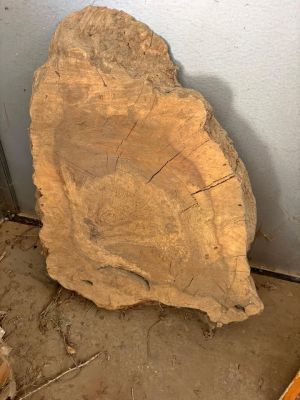
Red oak live-edge slab ~43" - green AD
Red oak live-edge slab about 42.5-43" long; bark edge about 6.75" across. Horizontal crack near 27-2...

Red oak slab ~31" x 3.5" - green AD
Red oak slab about 31" long, about 3.5" thick. Center crack; some bark-edge mushrooms. Green, air-dr...
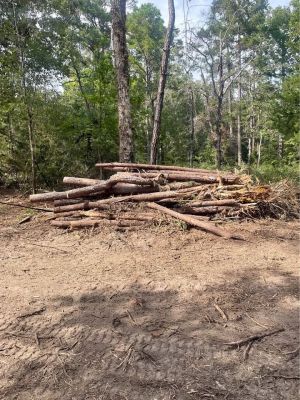
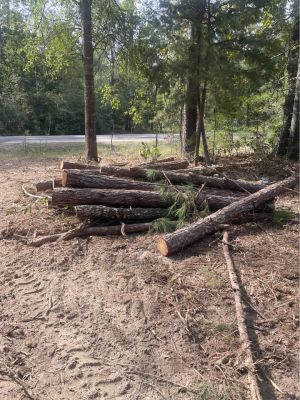
Free wood pine and oak mix
Just cut 3weeks ago different lengths 8, to 12’ long logs to a t are 7 to 10” in dia. Come take it a...



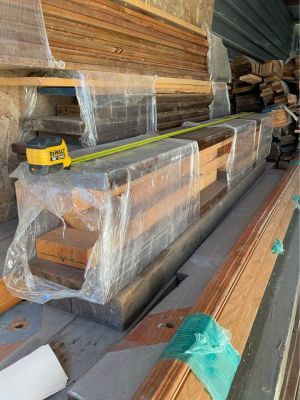
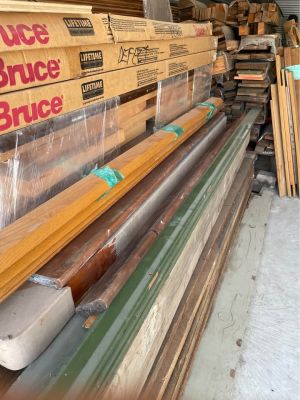
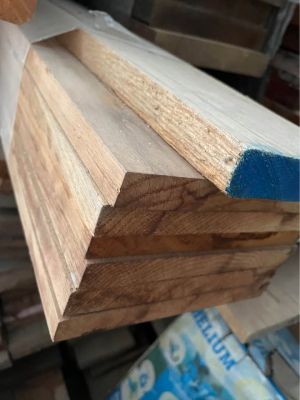
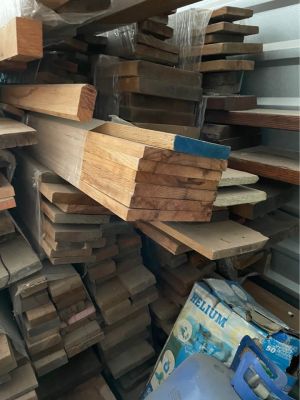
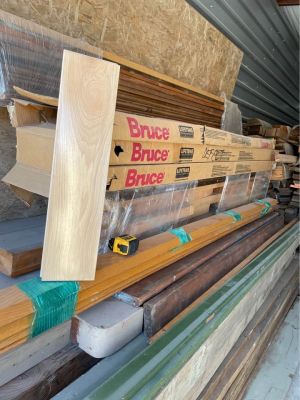
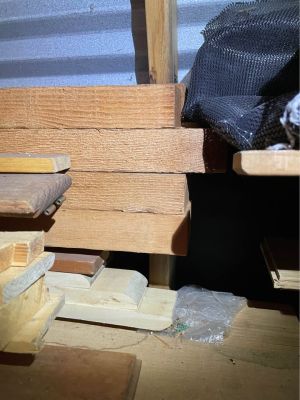
Bundles of premium furniture grade hardwoods- western red cedar, ponderosa Pine, Douglas fir, oak
 Lots of furniture, making grade hardwoods (along with many machines and hand powered tools) from O...
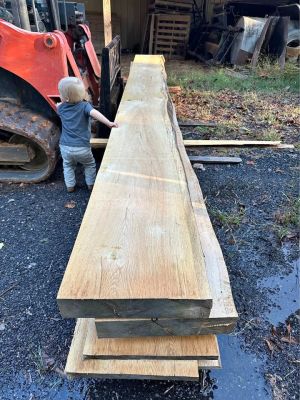
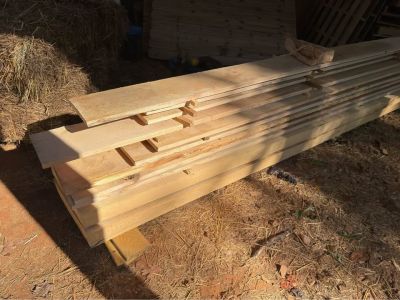
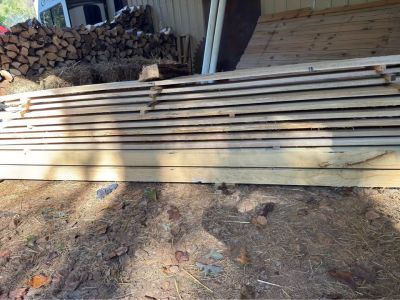
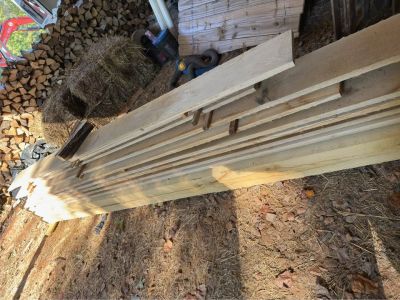
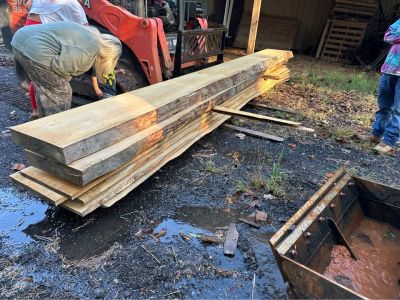
Rough cut Lumber, Oak Mantles
We have many different size slabs of rough cut oak lumber. Make appt or call to order. 6sevn8-9sevn9...
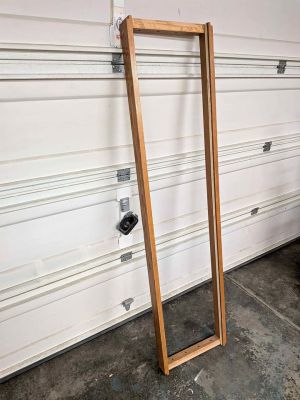
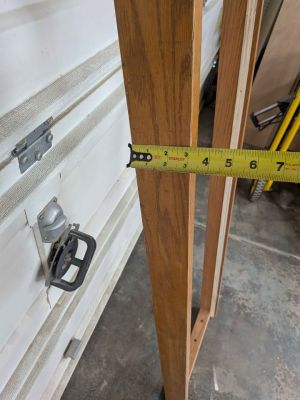
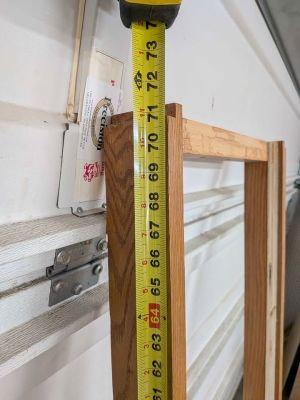
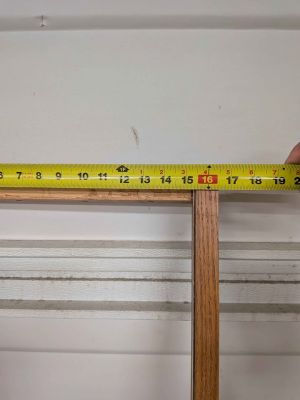
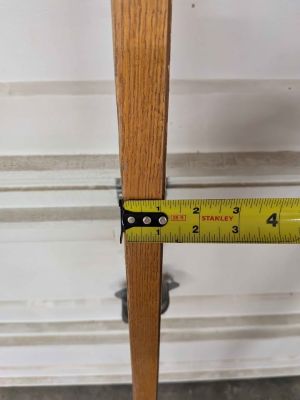
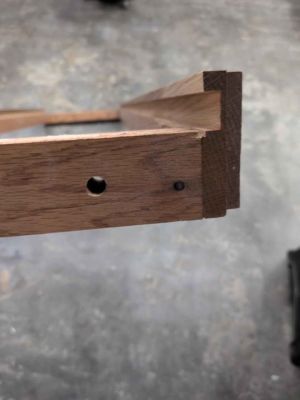
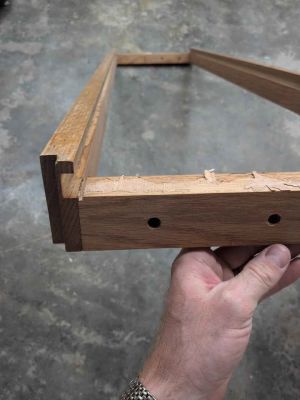
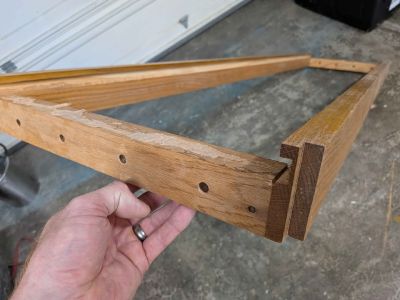
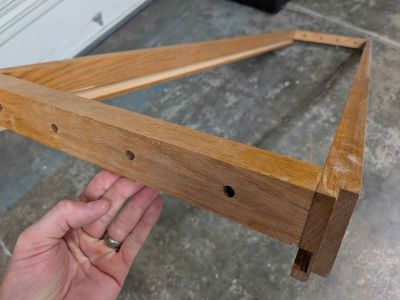
Solid White Oak Hardwood Lumber / Frames – $10 Each
Solid White Oak Hardwood Lumber / Frames – $10 Each Solid white oak hardwood frames, perfect for rep...
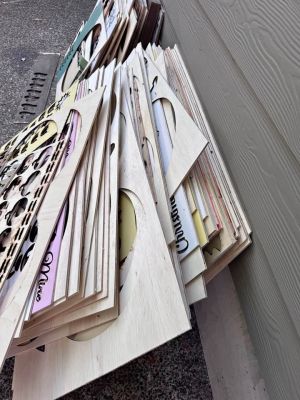
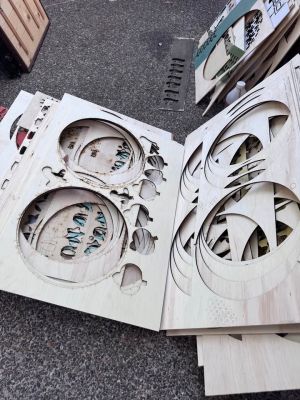
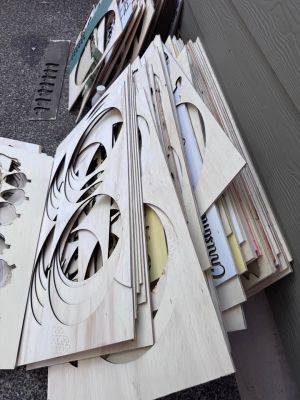
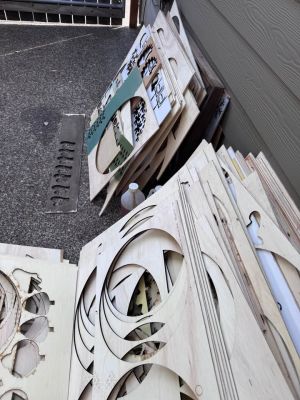
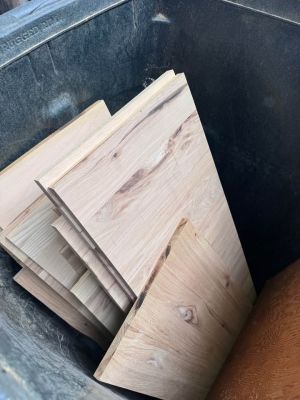
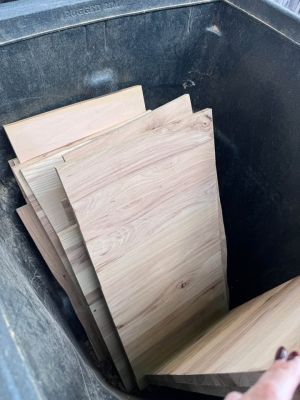
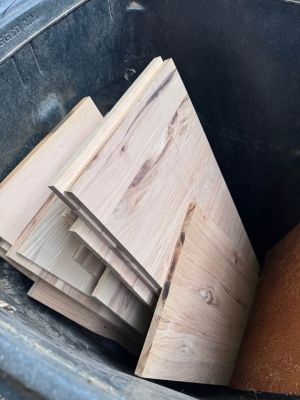
Bulk Laser Cut Plywood Scrap Sheets, 1/4 “ plywood, some raw some painted. And I think oak panels.
Lightweight plywood sheets are laser-cut with various circular and decorative patterns. This bulk st...
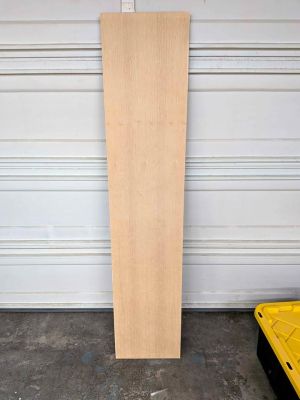
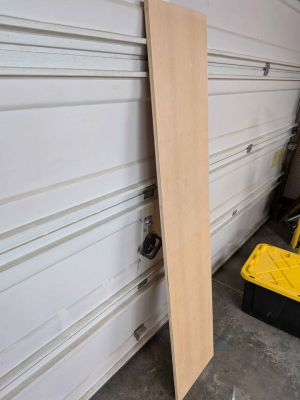
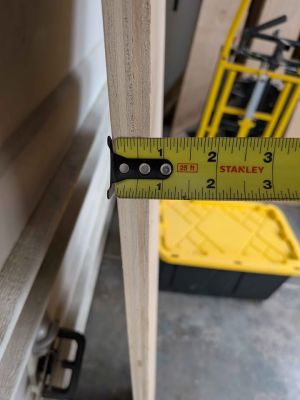
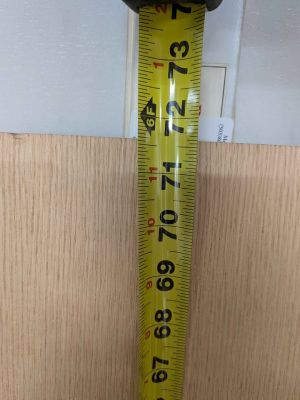
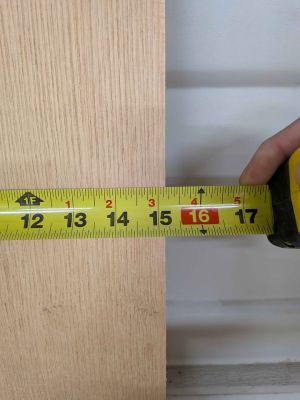
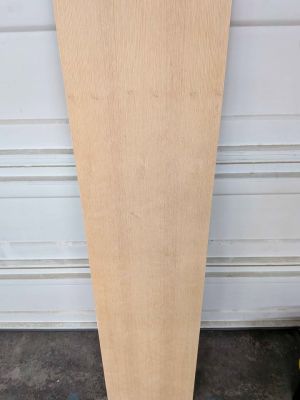
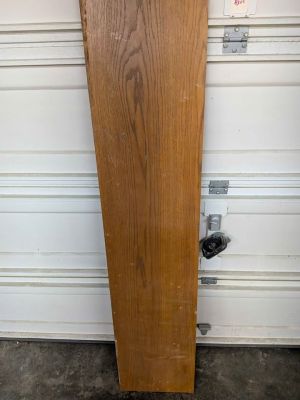
White Oak Veneer Plywood Panels – ¾" Thick – $10 Each
White Oak Veneer Plywood Panels – ¾" Thick – $10 Each White oak veneer plywood panels, approximately...
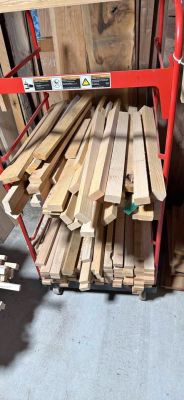
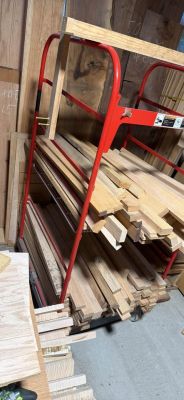
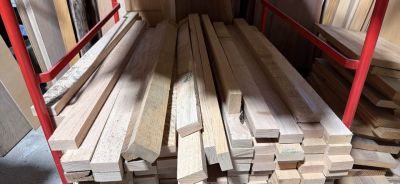
100 plus pcs. Kiln Dried Red Oak. 1”x2”x36”
36 inches long. 2” Wide. 1” Thick. $60 for all.
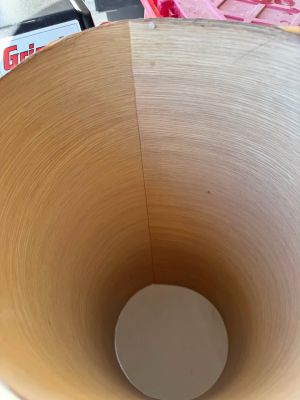
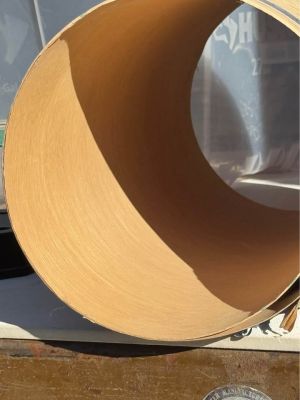
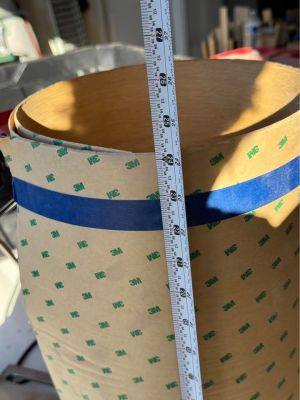
Rift sawn white oak veneer
I have a 2’ x 4’ Rift sawn White Oak veneer with an adhesive back. Moving across the country and nev...
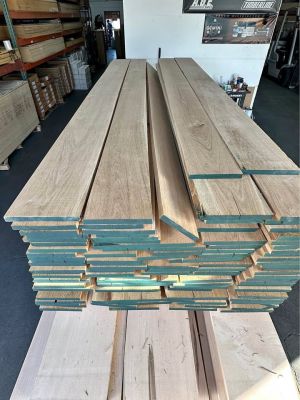
4/4 white oak lumber S3S
4/4 white oak lumber 9” wider Surfaced and straight lined 13/16” Senda Plywood 13221 Lakeland Rd San...
 Quercus spp.